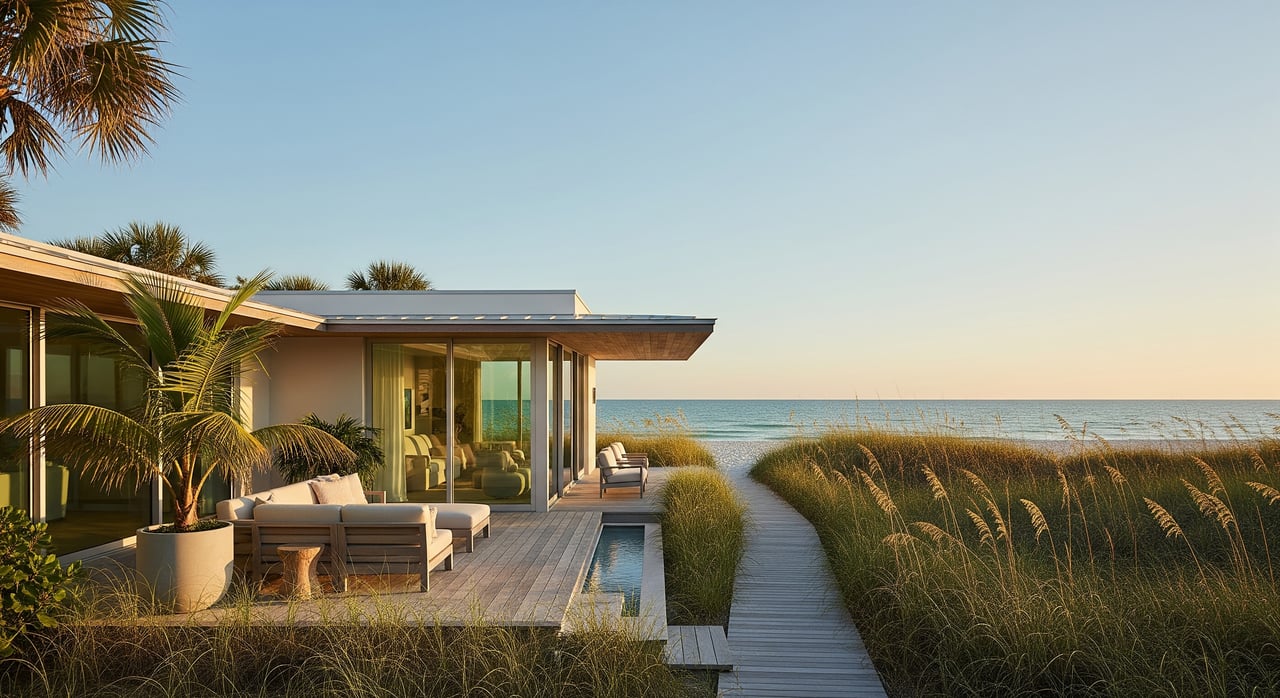
You want sand at your doorstep, sunsets on repeat, and local spots you can walk to without hunting for parking. Picking the right Clearwater neighborhood is the difference between daily beach strolls and a quick drive over a causeway, between a boat at your dock and a rooftop view with dinner downstairs. In this guide, you’ll compare Clearwater’s beach and nearby mainland options by shore access, parks and trails, dining, housing styles, and practical rules. By the end, you’ll know where your lifestyle fits best and what to check before you buy. Let’s dive in.
How Clearwater’s coast is laid out
Clearwater living clusters into a few distinct settings. Barrier‑island neighborhoods like Clearwater Beach and Sand Key put you steps from the Gulf with high walkability and seasonal tourism. Small islands and harbor pockets such as Island Estates focus on boating, private docks, and quick access to marinas. Downtown Clearwater and the harborfront give you an urban waterfront lifestyle with parks and events, plus an easy hop to the beaches.
Nearby coastal towns and mainland areas offer more residential calm with steady access to trails and parks. Belleair and Belleair Beach sit just south with lower‑density coastal living. Dunedin and Palm Harbor to the north add small‑town centers, strong trail access, and quick entry to state parks. Mainland Clearwater neighborhoods provide larger homes and yards while keeping a short drive to the barrier islands.
Neighborhood profiles at a glance
Clearwater Beach
- Lifestyle: Iconic Gulf shoreline and pedestrian life along Mandalay Avenue and Ocean Boulevard. Expect the Pier 60 sunset scene, beachfront restaurants, and a lively atmosphere in high season.
- Beach and parks: Immediate access to lifeguarded stretches and Pier 60, plus small parks and public access points.
- Housing: High‑rise and mid‑rise condos with some older buildings. Single‑family homes are limited.
- Buyer notes: Prepare for seasonal traffic and parking. Review condo HOA rental rules, flood insurance needs, and elevation details.
Sand Key
- Lifestyle: Quieter than the main beach with a more residential feel while staying close to Clearwater Beach via the causeway.
- Beach and parks: Sand Key Park offers wide sandy beaches, dune preservation areas, ample parking, picnic spaces, and at times a designated dog‑friendly section.
- Housing: Mainly condos and low‑rise developments suited to a laid‑back beach routine.
- Buyer notes: Still consider access and parking logistics, plus flood elevation and local dune protection regulations.
Island Estates and Clearwater Harbor
- Lifestyle: Made for boaters and marina users with a quieter residential vibe close to downtown and the beach bridges.
- Beach and parks: Direct bay and harbor water access with boat ramps. Gulf beaches are a short drive away.
- Housing: Single‑family waterfront homes, townhomes, and low‑rise condos. Many properties include private docks.
- Buyer notes: Evaluate dock permitting, seawall condition, and storm surge exposure. Confirm marina slip availability if you need extra capacity.
Downtown Clearwater and Cleveland Street
- Lifestyle: Urban waterfront living with Coachman Park events, arts, and small‑business dining. You can access marinas and enjoy a year‑round local scene.
- Beach and parks: Coachman Park anchors the waterfront with green space and events. The causeway makes beach trips quick by car or bike.
- Housing: Mid‑rise condos, renovated older homes nearby, and new infill.
- Buyer notes: Balance event‑driven visitor traffic with the convenience of daily amenities and faster mainland access.
Belleair and Belleair Beach
- Lifestyle: Low‑density coastal living with municipal beach access points and a more private, residential feel.
- Beach and parks: Smaller municipal beaches and pocket parks. Easy drives to Sand Key and other barrier beach areas.
- Housing: Predominantly single‑family homes with some low‑rise condos and larger lots than the barrier islands.
- Buyer notes: Review municipal rules on docks and rentals, plus details on public and private beach access.
Dunedin and Palm Harbor
- Lifestyle: Quaint town centers and quieter harbors with strong trail culture, breweries, and local events. Good for buyers who want fewer crowds and access to parks.
- Beach and parks: Honeymoon Island and Caladesi Island State Park are key draws for hiking, paddling, and quieter beaches.
- Housing: Historic bungalows, single‑family homes, and small condo communities.
- Buyer notes: You trade a longer drive to Clearwater Beach for easier access to state parks and the trail network.
Mainland Clearwater neighborhoods
- Lifestyle: Suburban convenience with larger yards, everyday retail access, and less tourist traffic.
- Beach and parks: Short drives to Gulf beaches and county parks like Sand Key Park and Coachman Park.
- Housing: Single‑family homes and planned communities with more interior square footage per dollar.
- Buyer notes: You give up daily walkability to the beach but gain space and quieter streets.
Beaches, parks, trails and boating access
Beach access differs by neighborhood. Barrier islands let you step onto the sand and catch sunsets without a car. Mainland and harbor areas rely on short drives or bike rides to public access points and parking lots. Public beaches extend to the mean high‑water line, but your day‑to‑day experience hinges on how close you are to access points, lifeguards, and parking.
Parks add variety to your outdoor routine. Sand Key Park offers wide sandy stretches, dunes, and picnic areas. Coachman Park brings waterfront green space and scheduled events near downtown. If you love nature hikes and quieter shorelines, the Dunedin area puts you close to Honeymoon Island and Caladesi Island State Park.
Active transportation is a lifestyle bonus. The Fred Marquis Pinellas Trail runs through many nearby towns and is ideal for daily cycling, running, and walks. If a car‑free routine matters to you, focus on barrier islands and downtown for errands and dining, or choose a town on the trail for easy fitness and recreation.
Boaters should look closely at dock options. Island Estates and Clearwater Harbor homes often include private docks and quick access to marina services. Barrier island condos may not support large vessel docking. Always confirm marina slip availability, water depth, seawall condition, and local permitting for lifts or dock improvements.
Dining and local culture by area
Beachfront neighborhoods specialize in casual, scenic dining with rooftop bars, seafood spots, and nightly energy around Pier 60. If you want surfside views and a lively evening scene, Clearwater Beach and Sand Key deliver.
Downtown Clearwater offers year‑round restaurants, cafés, and cultural events tied to Coachman Park. This area suits you if you prefer a local crowd and frequent community programming.
Harbor and island neighborhoods lean residential, with marinas and smaller waterfront restaurants. Dunedin and Palm Harbor feature independent eateries, breweries, and regular local events for a relaxed pace. These town centers favor a neighborhood feel over tourist intensity.
Key rules, risks and costs to review
Buying near the water means understanding a few essentials before you commit. Use the points below as your starting checklist and plan to gather property‑specific documents during due diligence.
- Flood risk and insurance: Many coastal and low‑lying properties are in FEMA flood zones such as AE or VE. Obtain FEMA Flood Insurance Rate Maps for the exact zone, ask for an elevation certificate, and review current flood premiums and mitigation credits.
- Hurricanes and resiliency: Florida building codes strengthened after 1992 and 2002. Request records for roof work, impact windows, and structural updates. Waterfront buyers should inspect seawalls and verify permit history for any marine structures.
- Short‑term rentals: Rental rules vary by city, county, and association. Some Gulf‑front condos rely on vacation rentals, while others restrict them or set minimum stays. Review City of Clearwater and Pinellas County requirements along with HOA or condo bylaws.
- Utilities and systems: Most properties are on municipal utilities, but older or unique parcels could have septic. Verify with public records.
- Parking and transportation: Expect peak‑season congestion on barrier islands. Ask about resident permits, guest parking, and event closures near Pier 60 or downtown venues.
- Taxes and insurance: Florida has no state income tax, but property taxes and homeowner, wind, and flood insurance affect ongoing costs. Get long‑term quotes early in your search.
- Future projects: Check city and county planning documents for beach nourishment, parking structures, and waterfront redevelopment that could influence lifestyle or value.
Quick buyer checklist for tours
- Distance to sand and nearest public beach access point.
- Proximity to Pier 60, Sand Key Park, Coachman Park, and other county or state parks.
- Trail access, especially the Pinellas Trail for daily biking or walks.
- Boating: presence of private dock, seawall condition, marina slip options, and permits.
- Typical housing stock nearby and prevalence of condo buildings vs single‑family homes.
- HOA or condo rules, fees, reserves, and rental policies; confirm short‑term rental allowances.
- FEMA flood zone, elevation certificate, and insurance quotes for wind and flood.
- Parking norms, resident permits, and guest parking options during high season.
- General access to bridges, airports, and major corridors without assuming specific travel times.
Which neighborhood fits your lifestyle
If you want to walk to the sand and catch nightly sunsets, focus on Clearwater Beach or Sand Key. If your priority is a boat in the backyard and quick marina access, start with Island Estates and Clearwater Harbor. If you prefer an urban waterfront with events, dining, and easy mainland errands, downtown Clearwater may fit you best. For a quieter residential pace with strong park and trail access, explore Belleair, Dunedin, Palm Harbor, or mainland Clearwater.
You do not have to choose alone. Our team guides you through HOA documents, flood and insurance questions, dock and permitting details, and neighborhood tours tailored to your day‑to‑day routine. When lifestyle comes first, the right fit becomes clear.
Ready to compare homes and set up tours? Reach out to Michelle Mazzotta for concierge guidance from first look to closing.
FAQs
What is the difference between Clearwater Beach and Sand Key?
- Clearwater Beach is livelier with more tourist activity and walkable beachfront dining, while Sand Key is quieter and more residential with direct access to Sand Key Park.
How close is Island Estates to the Gulf shoreline?
- Island Estates sits on the harbor with immediate bay access and is a short drive over the causeway to the Gulf beaches on Clearwater Beach and Sand Key.
Where can I find quieter nature beaches near Clearwater?
- Honeymoon Island and Caladesi Island State Park near Dunedin offer hiking, paddling, and lower‑intensity beach experiences compared with the main tourist areas.
Do Clearwater condos allow short‑term rentals?
- Rental policies vary by building and municipality, so you should review city or county requirements and the condo association’s bylaws and minimum rental periods.
What should I know about FEMA flood zones in Clearwater?
- Many coastal properties are in AE or VE zones, so request FEMA map details, an elevation certificate, and current flood insurance quotes during due diligence.
What is the Pinellas Trail and why does it matter?
- The Fred Marquis Pinellas Trail is a county‑wide multi‑use path that connects towns and boosts daily biking and walking options for neighborhoods along its route.