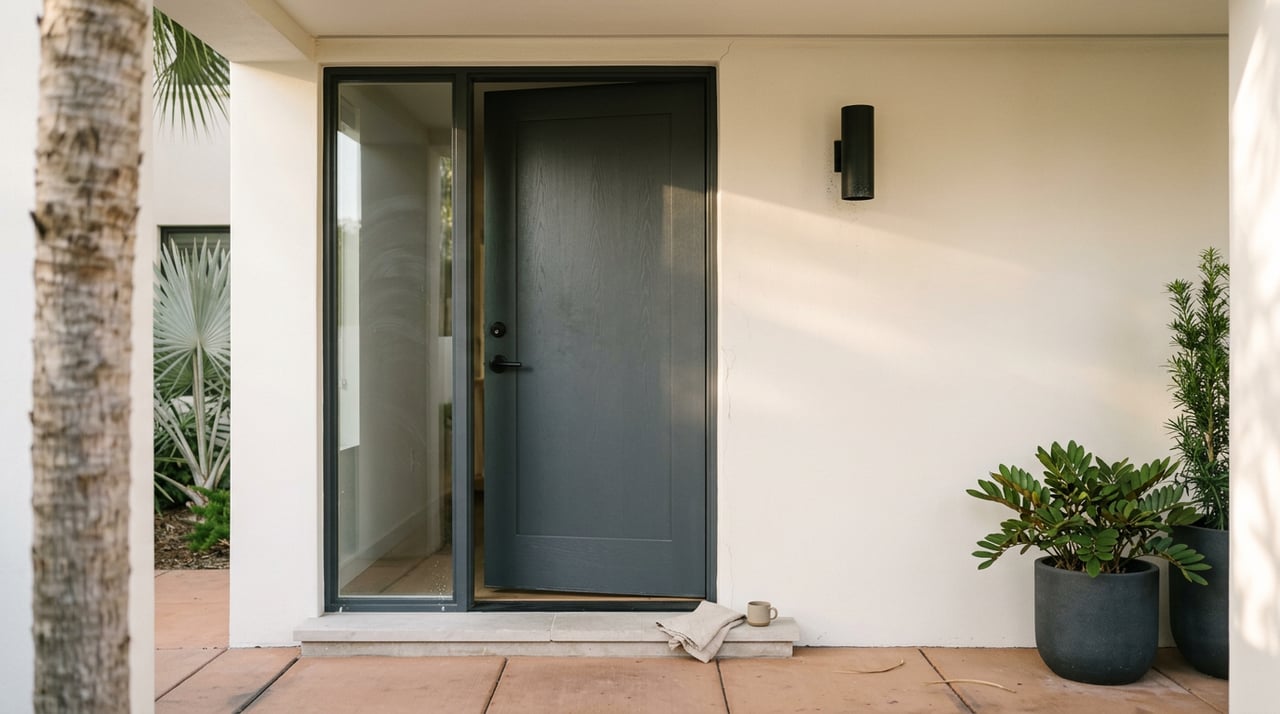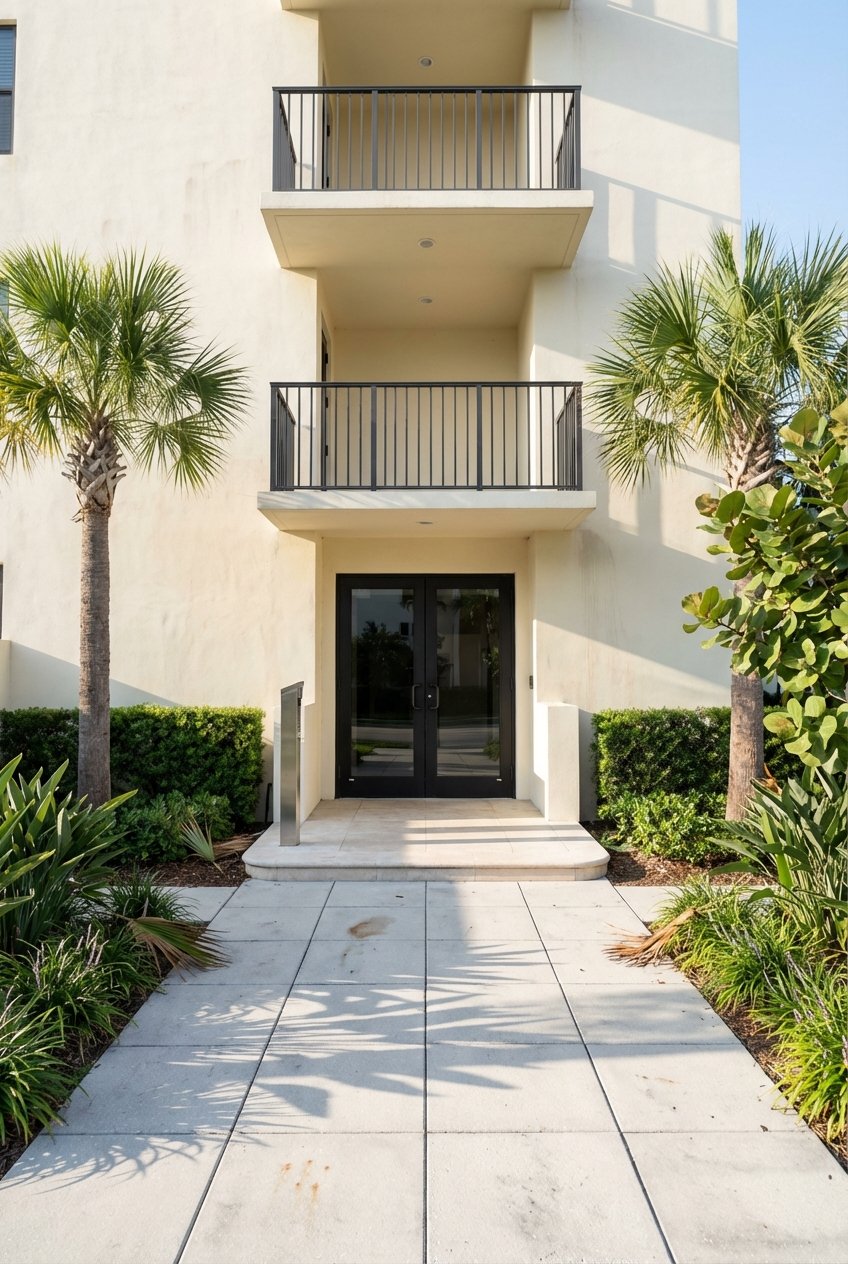
Wish you could combine Clearwater’s beach views with a low‑stress lifestyle, but you also want space, privacy, and control? Choosing between a condo and a single‑family home is a real tradeoff. You may be weighing HOA fees against yard work, or thinking about rental potential and financing. In this guide, you’ll see how costs, rules, insurance, and neighborhood lifestyles compare so you can buy with confidence. Let’s dive in.
Clearwater market snapshot and monthly costs
Citywide sale prices sit around the low‑to‑mid 400s as of early 2026, but neighborhoods vary a lot. Condos often sell for less than single‑family homes inland, while beach and waterfront properties can command much higher prices. In short, your monthly budget depends more on the exact building or neighborhood than the property type alone.
When comparing true monthly cost, stack these line items side by side:
- Mortgage and property taxes. If you claim a primary residence, Pinellas County’s Homestead and Save Our Homes protections can help limit future tax increases. Review the county overview of Save Our Homes to see how caps work for eligible owners. Learn about Save Our Homes.
- HOA or condo fees. In Clearwater, many condo buildings charge monthly dues that can range from the low hundreds to $700+ depending on amenities and services. Some single‑family neighborhoods also have HOAs, though fee levels and inclusions vary.
- Homeowners and flood insurance. Coastal and older structures can carry higher premiums. Lenders typically require flood insurance for homes in FEMA Special Flood Hazard Areas. Check your property’s flood zone early using the county’s map center. Pinellas County flood map service.
- Utilities, maintenance, and assessments. Condo owners share building expenses through dues and, at times, special assessments. Single‑family owners pay as they go for roof, exterior, yard, and systems.
What you maintain: condo vs single‑family
- Condos. In Florida, the condominium association is generally responsible for common areas and structural or exterior components defined in the declaration, while you insure the inside of your unit. You’ll typically carry an HO‑6 policy, and the association holds a master policy on the building. Review responsibilities in Florida Statutes Chapter 718. Condominium responsibilities.
- Single‑family homes with HOAs. The HOA usually maintains neighborhood common areas, roads, and amenities. You are responsible for your home and lot unless your governing documents say otherwise.
The bottom line: condos reduce hands‑on exterior maintenance. Single‑family homes give you more control over projects, timelines, and finishes.
New condo inspections and reserves after Surfside
Florida introduced stronger safety rules for taller condo buildings, including milestone structural inspections and Structural Integrity Reserve Studies (SIRS). Many associations must now identify, fund, and hold reserves for key structural elements. These reforms have improved transparency but have also led to higher dues or special assessments in some older buildings. Review the state statute for details. Florida statute on building safety and SIRS.
News reporting across Florida has documented buildings facing large assessments and slower resales as issues come to light. Due diligence is critical, especially in mid‑ and high‑rise communities. Read statewide coverage of assessment impacts.
Insurance and flood: plan ahead
Florida’s homeowners insurance market has been volatile, and premiums depend on location, building age, updates, wind mitigation features, and claim history. Flood insurance is a separate policy and often required by lenders in designated zones. Get quotes early in your search so there are no surprises at underwriting. Current insurance market context.
If you are comparing a beach‑area condo to an inland home, you may find flood and wind costs differ meaningfully. Use that to balance a slightly lower condo price against potentially higher ongoing premiums.
Financing and resale: condos add project review
Financing a single‑family home is usually straightforward, based on the property’s appraisal and your loan profile. Condos add a project‑eligibility layer. Lenders use tools like Fannie Mae’s Condo Project Manager to review owner‑occupancy, reserves, litigation, insurance, and other factors. If a project is ineligible, buyers may face limited loan options or higher rates. Ask your lender to check a building early. About Fannie Mae’s Condo Project Manager.
Why this matters for resale: units in buildings with financing flags can take longer to sell and see price pressure. In contrast, single‑family homes avoid project‑level reviews.
Rental potential and short‑term rules
If rental income is part of your plan, know the rules before you buy:
- Inside Clearwater city limits, residentially zoned properties cannot be rented for fewer than 31 days. Monthly or longer leases are permitted. Confirm zoning for any address you are considering. City of Clearwater rental duration basics.
- In unincorporated Pinellas County, short‑term rentals under 30 days require a Certificate of Use, inspections, occupancy and parking limits, and annual renewals. Rules vary by jurisdiction, so always confirm where a property sits and which program applies. Pinellas County STR program.
- Associations can be more restrictive than local law. Many condos limit lease terms or cap the number of leases per year. Review association documents before you write an offer.
Tourism demand is strong across St. Pete–Clearwater, which supports permitted short‑term rentals in the right zones and buildings. Performance still varies by season, exact location, and supply. Local tourism economic impact.
Neighborhood fit: lifestyle snapshots
- Clearwater Beach and Sand Key. High‑rise condos with direct Gulf views, on‑site amenities, and walkability to sand and dining. Prices per square foot trend higher. Many buildings have substantial monthly dues that cover resort‑style services. Short‑term rental eligibility depends on zoning and association rules, so verify both.
- Island Estates and Intracoastal waterfront. Single‑family homes with docks and boating access define the lifestyle. Expect more maintenance, potential flood considerations, and higher insurance in exchange for privacy, parking, and control over your property.
- Harbor Oaks and nearby historic areas. Primarily single‑family homes with larger lots and a classic architectural feel. Price points and taxes can be higher, but you gain land, privacy, and a tailored home experience.
- Countryside and inland Clearwater. A mix of more affordable single‑family homes and condos, often with lower flood risk than barrier islands. If you want a garage, a yard, and predictable costs, inland neighborhoods can be a strong fit.
Choose a condo if you value
- Lock‑and‑leave convenience with minimal exterior upkeep.
- Amenities like pools, fitness rooms, security, and building services.
- Walkability to the beach or downtown waterfront.
- Lower entry price than many single‑family homes inland, with the caveat of HOA dues and potential assessments.
Choose a single‑family home if you value
- Space, privacy, and control over improvements and timelines.
- Parking, storage, and outdoor living areas.
- Fewer restrictions on use compared to many condo associations.
- Simpler financing with no condo project review.
Your Clearwater condo vs home checklist
Use this quick list before you commit:
- Get real quotes. Price out homeowners, wind, and flood insurance based on the address and building age. Verify flood zone and expected lender requirements.
- Review taxes. Estimate your annual taxes and learn how Homestead and Save Our Homes caps may apply if it is your primary residence. Pinellas Save Our Homes overview.
- If buying a condo, request association documents. Ask for the budget, reserves, insurance declarations, recent meeting minutes, any special assessments, and any Structural Integrity Reserve Study and milestone inspection reports. Review responsibilities under Florida Statutes Chapter 718. Condo responsibilities and insurance basics.
- Confirm rental rules at three levels. Check city zoning, county STR rules if applicable, and the association’s lease restrictions. Clearwater rental duration and Pinellas STR program.
- Ask your lender about condo project eligibility. Have them run the building through Fannie Mae’s Condo Project Manager and discuss FHA/VA options if needed. Fannie Mae CPM.
- Understand the Surfside‑era laws. Know the inspection and reserve requirements that could impact dues or future assessments. Florida statute on SIRS and inspections.
Ready to weigh specific buildings and neighborhoods side by side? Let’s talk through your goals, budget, and lifestyle so you can move forward with clarity. Reach out to Michelle Mazzotta for local guidance and a step‑by‑step plan.
FAQs
What are the main differences in upkeep between Clearwater condos and single‑family homes?
- Condos centralize exterior and structural upkeep under the association’s budget, while you handle your unit interior. Single‑family owners maintain roofs, exteriors, yards, and systems on their own.
Do Clearwater condos have to pass new inspections and fund reserves?
- Many taller condo buildings are subject to milestone structural inspections and must conduct and fund Structural Integrity Reserve Studies, which can raise dues or trigger assessments. Review the statute.
Can I rent my Clearwater home or condo as a short‑term rental?
- In residential Clearwater zoning, leases must be 31 days or longer. In unincorporated Pinellas, short stays require a Certificate of Use and compliance. Associations may be stricter than local law. City basics and County STR program.
How does flood risk affect what I pay each month?
- Properties in FEMA Special Flood Hazard Areas typically require flood insurance, and coastal or older homes can have higher premiums. Check the address in the county flood map tool. Pinellas flood map.
Is financing a condo in Clearwater harder than a house?
- It can be. Condos must meet project‑eligibility standards, and issues like reserves, litigation, or insurance can limit loan options. Have your lender check Fannie Mae’s Condo Project Manager early. About CPM.