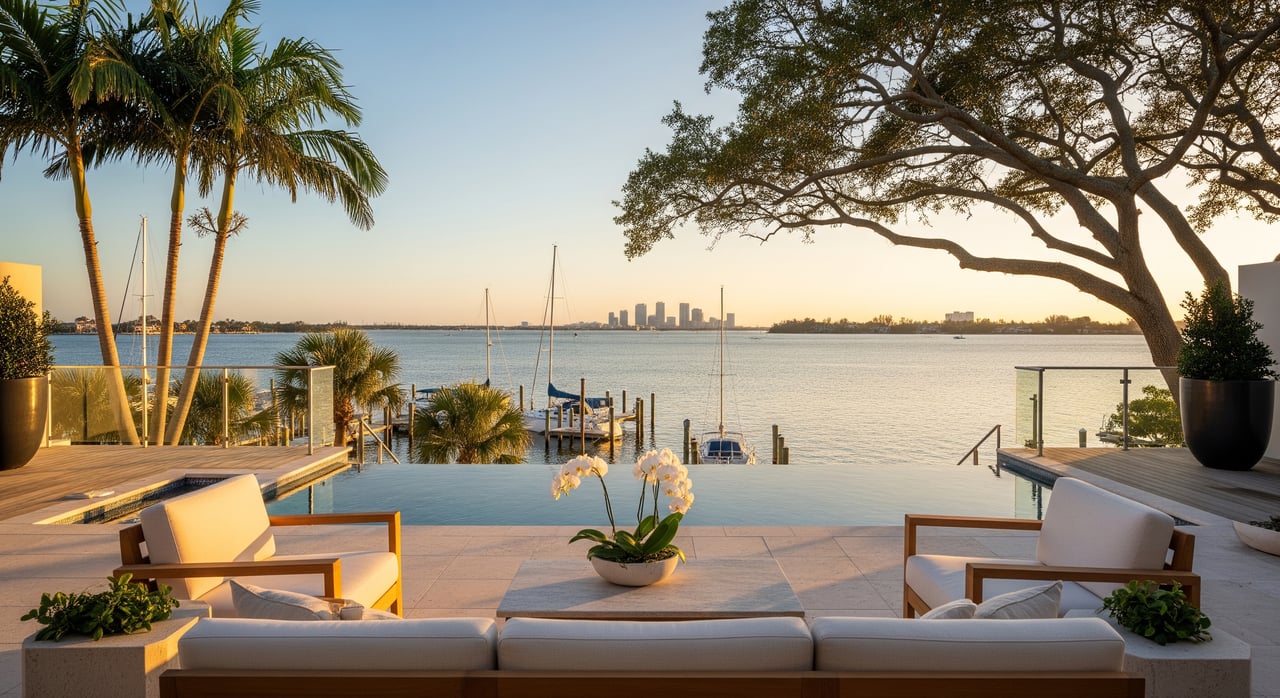
Imagine stepping outside to sunrise over Tampa Bay, a coffee in hand, and the option to walk the waterfront, bike to brunch, or head to the beach by afternoon. If that sounds like your kind of day, St. Petersburg’s waterfront corridor has a lot to offer. You want to know how life really feels here — housing types, walkability, arts and dining, boating, and the nuts and bolts like insurance and HOA costs. This guide explains what everyday living looks like from the downtown bayfront to the beach towns nearby. Let’s dive in.
Waterfront map: downtown to beach
St. Petersburg’s “waterfront” stretches from the downtown bayfront on Tampa Bay to the barrier-island beach corridor on the Gulf. Many buyers explore it as one lifestyle continuum, even though some beach communities are separate municipalities within Pinellas County.
- Downtown Bayfront. You’ll find high-rise and mid-rise condos, the municipal marina, and a string of public parks and promenades. Events and daily activity center around the water.
- Old Northeast and Snell Isle. Historic bungalows and Mediterranean Revival homes line leafy streets a short walk or bike ride from downtown parks.
- North Shore and Vinoy Park. Larger condos face the bay, with frequent festivals and fitness events along the waterfront greens.
- Shore Acres and the Boca Ciega Bay edge. Lower-rise homes and condos feel quieter and more sheltered, with marinas and relaxed boating access.
- Beach corridor. St. Pete Beach, Pass-a-Grille, Treasure Island, and Madeira Beach mix classic beach cottages with vacation condos and newer luxury builds. These areas have seasonal tourism patterns that shape daily life.
Key anchors shape the rhythm of the corridor. The reinvented St. Pete Pier is a daily and weekend hub for strolling, dining, and events. The waterfront parks around North Shore and Vinoy host concerts and festivals. The Dalí Museum, the Morean Arts Center, and the Chihuly Collection add arts and culture into everyday choices.
Housing styles you’ll see
Downtown bayfront condos
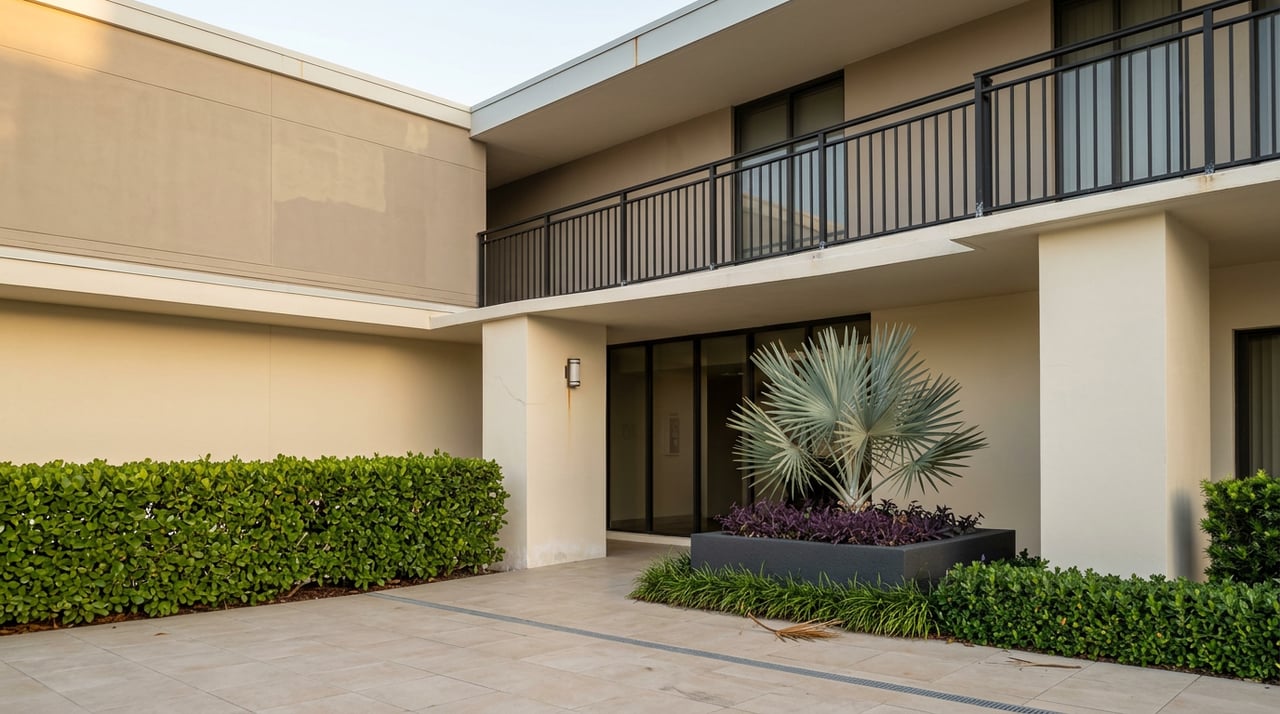
If you want a walkable, urban routine with water views, downtown’s condo towers and mid-rises stand out. Many buildings offer amenities that simplify daily life, and you can be on foot to coffee shops, parks, and museums in minutes. Boaters often look at proximity to the City of St. Petersburg marinas and the public waterfront.
Old Northeast and Snell Isle homes
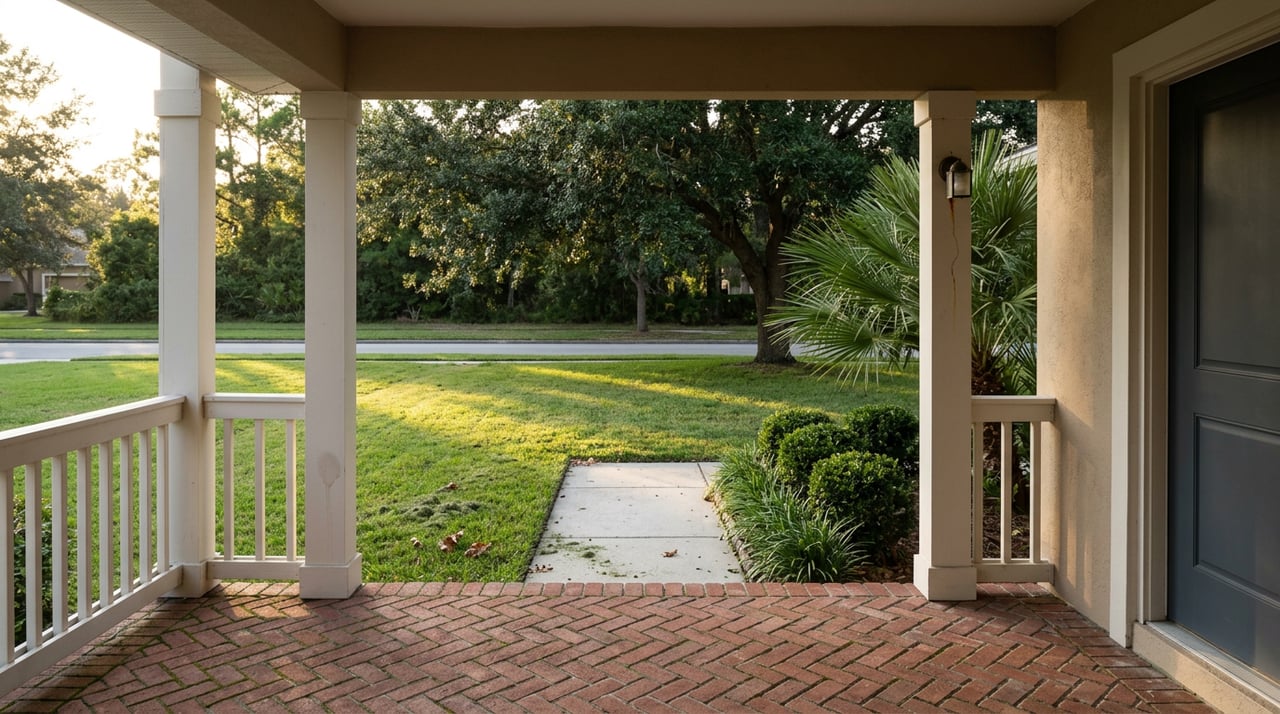
These neighborhoods offer historic charm close to the bay and downtown parks. You’ll see early 20th-century bungalows, Mediterranean Revival homes, and renovated properties with inviting porches and tree-lined streets. Many homes are owner-occupied and reflect a stable neighborhood feel, yet you still have quick access to the waterfront.
Shore Acres and Boca Ciega pockets
On the bayside edges away from downtown, you’ll find low-rise condos, duplexes, and single-family bay cottages. It’s a more relaxed pace with marinas, canals, and quieter streets. Daily life often includes biking the neighborhood and launching a paddleboard or boat on the weekends.
Beach corridor mix
Near the Gulf, housing ranges from classic beach cottages to vacation condos and new luxury builds. Many buyers explore seasonal or investment use here. Short-term rentals are common in some buildings and blocks, and rules vary by municipality. If investment potential matters, plan to verify local codes before you buy.
Condos and HOAs
Waterfront and near-water buildings often have association dues that cover exterior maintenance, amenities, and insurance components. In older buildings, you should look closely at reserve studies and any special assessments for roofs, hurricane hardening, or seawalls. Ask for documents early and build time into your due diligence.
Walkability and getting around
Walkability varies by pocket. Downtown and Old Northeast are among the most walkable areas, with waterfront parks, dining, groceries, and arts venues nearby. Beach neighborhoods feel village-like around main streets, but you may rely on a car for larger errands.
Countywide bus service from the Pinellas Suncoast Transit Authority connects downtown St. Pete to the beaches and other job centers. Bike lanes and multi-use trails are growing, especially near the urban core. Many residents still drive for regional commutes, but a downtown address can make biking or transit practical for daily trips.
Dining, arts, and everyday fun
The waterfront is a daily playground. On a typical weeknight, you can stroll the Pier for sunset, see a show nearby, or meet friends at a local brewery. For arts lovers, the Dalí Museum is a downtown anchor, and the Morean Arts Center and Chihuly Collection extend the creative scene with glass art, galleries, and classes.
Dining covers everything from casual beach cafés to upscale spots. Expect a healthy share of seafood, craft breweries, bakeries, and farm-to-table menus. Seasonality matters. Winter and spring bring a larger influx of visitors, which can mean busier nights out and higher demand, while summer and early fall often feel more relaxed.
Parks, beaches, and boating access
Downtown parks and the Pier
North Shore Park, Vinoy Park, and the waterfront promenade are part of the daily routine for walkers, runners, and dog owners. The St. Pete Pier adds playgrounds, splash pads, art, and dining, plus frequent community events.
Day trips to Fort De Soto
A short drive south, Fort De Soto Park offers broad beaches, kayaking, fishing, and biking trails. It is a favorite weekend destination for locals across the corridor.
Boating basics
Whether you sail Tampa Bay or fish offshore, boating access is a major perk. You’ll find municipal and private marinas plus public ramps throughout the area. If a slip is essential, ask about availability and waitlists with the City of St. Petersburg marinas or nearby private operators before you make an offer.
Paddle and fish
Paddleboard and kayak rentals are easy to find near both the downtown waterfront and the beaches. Inshore and offshore fishing are part of local life, and you can get on the water for a quick session after work when conditions are right.
Costs and practical basics
Waterfront and near-water homes tend to command a premium. As you budget, account for purchase price plus ongoing costs such as HOA dues, homeowners insurance, flood insurance where required, and maintenance specific to coastal properties.
Property taxes and exemptions
Florida has no state personal income tax. Property taxes are set locally, and exemptions such as homestead can reduce your bill if you qualify. For current rates, exemptions, and property details, start with Pinellas County’s official site.
Insurance and assessments
Coastal Florida is hurricane-prone, and insurance markets can shift. Premiums and carrier availability vary by building type, location, and age. Review policy options with your insurer and monitor market trends through the Florida Office of Insurance Regulation. For condos, study the association’s reserves and any planned assessments for roofs, windows, and structural work.
Flood zones made simple
Much of the waterfront sits in FEMA-designated flood zones. Your mortgage lender may require flood insurance depending on the zone and elevation. To understand a specific property, check the FEMA Flood Map Service Center, then follow up with local guidance via Pinellas County’s floodplain information. Flood premiums can vary widely, so get quotes early in your search.
Regulations that shape lifestyle
Short-term rental rules differ by city and neighborhood. Some buildings and municipalities allow vacation rentals by right, while others limit or regulate them. If you are buying with rental income in mind, review municipal codes and building rules, and confirm registration requirements on the City of St. Petersburg’s official site. For boaters, know the local waterways and safe boating practices through the state’s resources at the Florida Fish and Wildlife Conservation Commission.
Day-in-the-life snapshots
The boater
You launch in the morning, cruise the bay, and anchor at a sandbar for lunch. By sunset, you dock and walk to a waterfront dinner downtown. Your must-haves include a reliable ramp or slip, secure storage, and a plan for weather days.
The family
Mornings start with a park walk or bike ride. After school or activities, you pick a spot for casual dinner on Central Avenue or head to the beach for an hour before dusk. You value quiet streets, yard space, and easy access to community programs and schools.
The young professional
Your condo is steps from coffee shops and the waterfront. You walk to work or bike to a co-working space, then meet friends for a gallery night or a brewery patio. You prioritize walkability, low-maintenance living, and simple parking or transit for weekend trips.
How to choose your spot
Use this quick checklist to narrow your search:
- Define your daily routine. List the top three things you want within a 15-minute walk or drive.
- Test travel times. Ride a PSTA route and drive your commute during peak hours.
- Verify flood and insurance. Check FEMA maps and Pinellas County’s resources, then get insurance quotes.
- Review HOA health. Request reserve studies, meeting minutes, and details on any special assessments.
- Confirm boating access. Ask about slip availability and waitlists with the City’s marinas.
- Check schools and programs. Explore zones and magnet options at Pinellas County Schools.
When you are ready to align your lifestyle with the right property, local guidance makes all the difference. Reach out to Michelle Mazzotta for a tailored, step-by-step plan and on-the-ground insights across St. Petersburg’s waterfront.
FAQs
What parts of St. Petersburg’s waterfront are most walkable?
- Downtown and Old Northeast offer the strongest mix of parks, dining, arts, and services within a short walk, with expanding bike lanes and PSTA access for trips beyond the core.
How does flood insurance work for waterfront homes in Pinellas?
- Your lender may require flood insurance based on FEMA zone and elevation; check the FEMA Flood Map Service Center and follow up with Pinellas County’s floodplain info for local guidance, then obtain quotes to compare costs.
Are short-term rentals allowed near the beaches and downtown?
- Rules differ by municipality and by building; review city codes and association documents on the City of St. Petersburg’s website and confirm requirements in any adjacent beach town before you buy.
What public amenities anchor daily life on the water?
- The St. Pete Pier, North Shore and Vinoy parks, and cultural spots like the Dalí Museum and Morean Arts Center provide year-round events, dining, and recreation.
What should boaters verify before making an offer?
- Check slip or lift availability and waitlists with the City of St. Petersburg marinas, confirm ramp access, and assess storage options that fit your vessel and routine.
Where can I learn about property taxes and exemptions?
- Start with Pinellas County’s official site for current millage rates, exemptions such as homestead, and property records to estimate annual carrying costs.