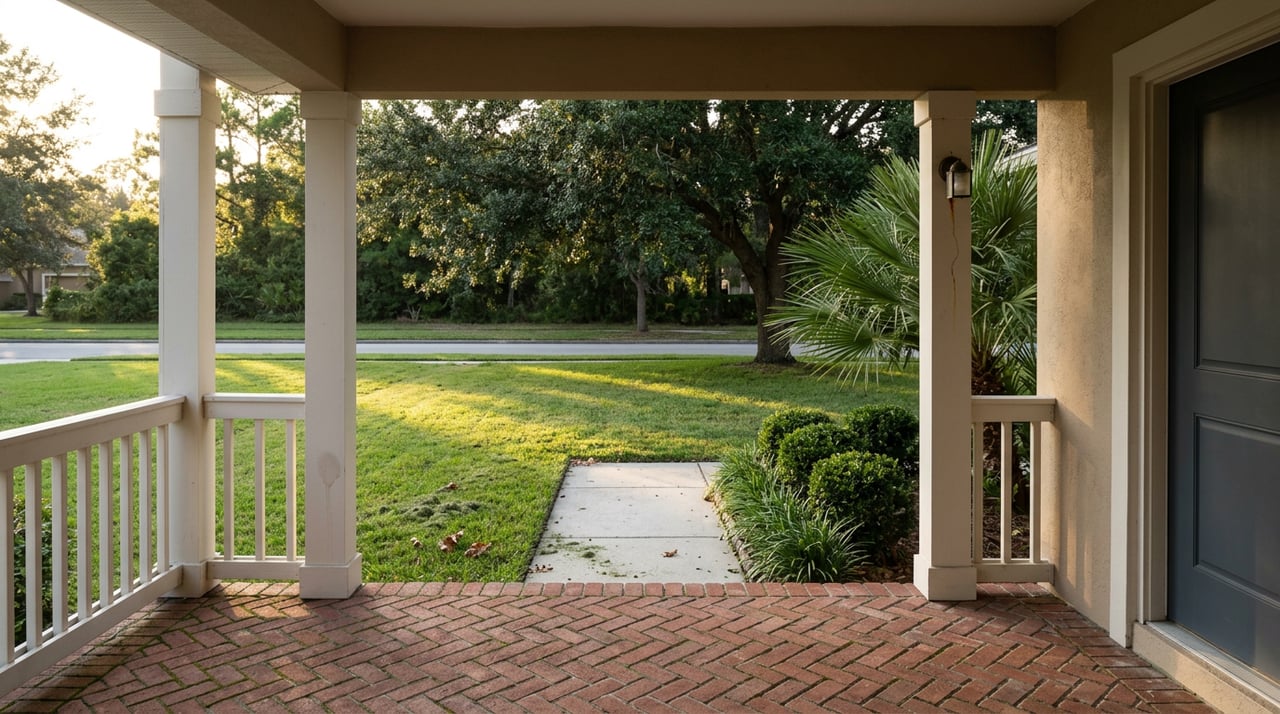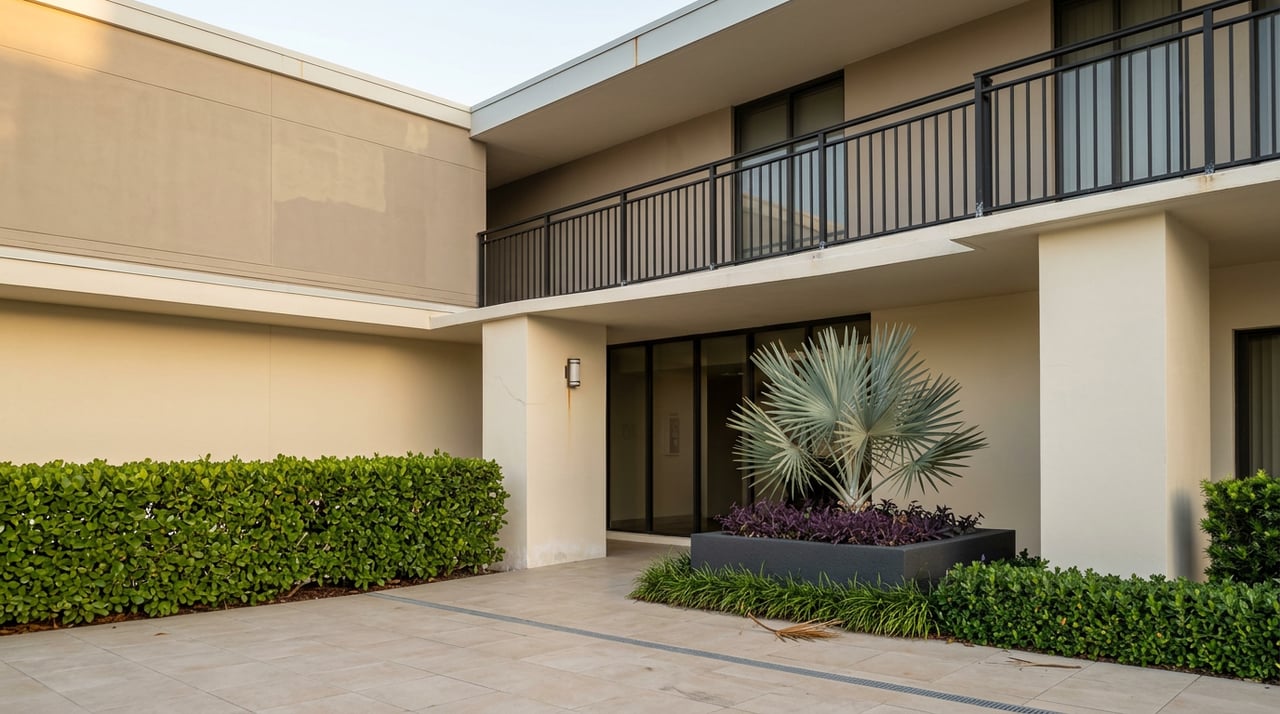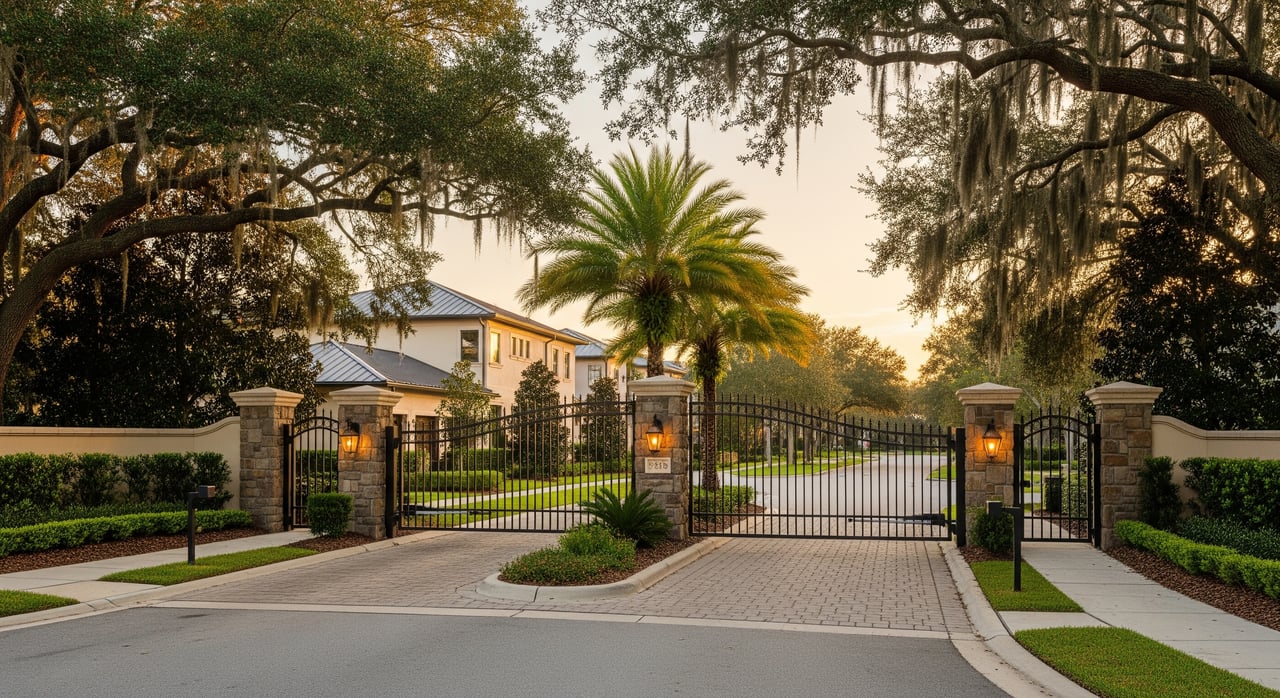
Should you choose a gated community or keep your options open with a non-gated neighborhood in Wesley Chapel? It’s a common question as you compare amenities, rules, fees, and everyday convenience. You want a home that fits your lifestyle and your budget, without surprises later. In this guide, you’ll see how gated and non-gated living stack up so you can decide what feels right for you. Let’s dive in.
Wesley Chapel community types at a glance
Wesley Chapel has several neighborhood styles, and many fall within larger master-planned areas. Understanding the basics helps you compare like for like.
Guard-gated communities
These have a staffed entrance with a guardhouse and visitor check-in. You get a higher level of controlled access and a stronger privacy image. Operating costs tend to be higher because staffing runs daily or 24/7.
Electronically gated enclaves
These use keypad, fob, or phone-controlled gates. Some are small enclaves on private roads. Labor costs are lower than guard-gated, but there are ongoing maintenance and telecom expenses to keep the system working.
Master-planned communities
These large developments often include parks, pools, trails, and nearby retail. Amenity packages vary by neighborhood. Many are financed in part through Community Development Districts (CDDs), and some contain gated pockets as well as non-gated sections.
Non-gated subdivisions and individual homes
These typically sit on public roads with easier access for guests and services. Amenities are often limited or shared on a smaller scale. Many still have HOAs, but covenants and rules are usually narrower than in highly amenitized, gated areas.
Wesley Chapel and Pasco County have grown rapidly over the last two decades, which is why you see so many community types here. That growth makes the gated vs non-gated choice a key part of your home search.
Amenities and fees: what you get and what you pay
Amenities and fee structures vary by neighborhood. Instead of relying on averages, focus on the exact property and community documents before you decide.
Common amenities in gated communities
- Clubhouse, pool, and fitness center
- Playgrounds, private parks, and trails with controlled access
- Security or guard staffing
- Landscaping of common areas and private street upkeep
- Courts for tennis or pickleball
- In higher-end pockets, concierge, on-site management, or golf access
What HOA fees often cover
- Common area maintenance like landscaping and pool care
- Gate operation and maintenance
- Insurance for common elements and shared structures (in condos)
- Management company fees and common-area utilities
- Amenity staffing and pest control for common areas
- Reserve fund contributions for future repairs
- Exterior maintenance in some condo or townhome associations
The setup differs if you have a single-family HOA, a condominium association, or a master HOA with subassociations. Always confirm who pays for what in writing.
CDD assessments explained
Many master-planned communities in Florida use CDDs to fund infrastructure like roads, water management, sewer, and parks. The CDD assessment often appears as a line item on your property tax bill and is separate from any HOA dues. These assessments can run for many years, and they can materially affect your annual cost of ownership.
What drives dues higher or lower
- Scale of amenities, such as pools, clubhouses, fitness centers, or golf
- Staffing needs, like a 24/7 guard versus an electronic gate
- Whether the association maintains home exteriors or only common areas
- CDD bond obligations tied to your parcel
Before you commit, get current, property-specific numbers. Request a current estoppel letter or HOA disclosure so you can see the exact dues, any arrears, and pending special assessments.
Everyday living: access, security, and services
How a community functions day to day matters as much as the amenities on a brochure. Think about guests, deliveries, rules, and your preferred level of oversight.
Security and privacy
Gated access can increase privacy and reduce casual drive-through traffic. That said, it is not a guarantee of safety. Research shows mixed results on crime reduction in gated neighborhoods. If security is a key concern, review local data from the Pasco County Sheriff and consider neighborhood-level trends and police response times.
Guests, deliveries, and vendors
In gated neighborhoods, guests and services may face delays if they need check-in or pre-approval. Ask how visitor lists are handled, whether temporary passes are easy to issue, and how deliveries from Amazon or FedEx are managed. For recurring services like landscaping or HVAC, confirm how vendor credentials work and whether entry must be pre-arranged.
Emergency and municipal services
Gated communities must have reliable emergency access. Confirm that the neighborhood uses compatible rapid-entry solutions for police, fire, and EMS and that Pasco County Fire Rescue recognizes the system. Check how trash pickup works on private roads and whether you have cluster mailboxes or door delivery.
Rules, look, and feel
HOAs typically enforce architectural guidelines, exterior appearance, landscaping standards, and parking rules. This can preserve a consistent look and potentially support property values. It also limits your freedom on paint colors, yard signs, holiday decor, and parking of RVs or boats. If you plan to rent your property, verify rental rules and minimum lease terms, because many communities regulate short-term and long-term rentals.
Resale and investment factors
Gated neighborhoods sometimes command a price premium, especially where amenities and curb appeal are strong. However, a gate and higher dues can narrow your buyer pool. Some buyers prefer simpler access and lower monthly costs.
Non-gated homes often attract a broader audience, which can help marketability. The best way to judge pricing and demand is to review recent local comparables and time on market for similar homes, both inside the community and in nearby non-gated areas. Check recent MLS sales to see how dues, amenities, and access affect pricing.
Due diligence checklist for Wesley Chapel buyers
Before you go under contract, or as contingencies, gather and review the following so you know exactly what you are buying.
Documents to request
- HOA Declaration/CC&Rs, bylaws, and articles of incorporation
- Current year budget, latest audited financials (if any), and recent treasurer reports
- Reserve study and capital project schedule
- Minutes from the last 6 to 12 months of board meetings
- Estoppel letter or official ledger with current dues and any outstanding amounts
- Rules and regulations, including parking, rentals, pets, signage, and exterior changes
- Gate operation and maintenance agreements, including vendor contracts
- CDD documents if applicable: annual assessment, bond schedule, and manager contacts
- HOA insurance policies and required homeowner coverages
- Management company contact details and current board contacts
- Florida-required disclosures for resales
Questions to ask the HOA, management, or seller
- What are the monthly or annual dues, and when did they last increase?
- Are special assessments planned or under discussion?
- Are reserves adequate, and what major repairs are on the horizon?
- Is the board developer-controlled or resident-controlled, and what is the transition timeline?
- How does gate access work for guests, contractors, deliveries, and first responders?
- How are violations enforced, and are there fines or a hearing process?
- Are there rental caps, minimum lease terms, or short-term rental restrictions?
- For condos or townhomes, who maintains exteriors and roofs?
- For CDDs, what is the exact annual assessment per parcel, and how long will it continue?
On-site checks during visits
- Visit at different times to observe traffic, noise, and gate operation
- Look at common-area condition, pool care, street maintenance, signage, and gate equipment
- Assess parking availability and guest parking enforcement
- Test cell coverage and confirm internet provider options
- If possible, speak with residents about management responsiveness and recurring issues
Contract and negotiation tips
- Include an association document review and estoppel as contingencies
- If the seller will cover a special assessment or HOA arrears, put the terms in writing
- For new builds in developer-controlled communities, ask for financials and a clear timeline for resident control
Which lifestyle fits you?
Choosing between gated and non-gated is about tradeoffs that matter to you.
Choose gated if you value
- Extra privacy and controlled access
- A polished look with consistent enforcement of standards
- Amenity-rich living with pools, clubhouses, and fitness facilities
- A more structured environment with defined rules
Choose non-gated if you value
- Easy access for guests, deliveries, and ride-hailing
- Lower or simpler monthly costs without gate operations
- Fewer restrictions on exterior changes or parking
- Broader market appeal when it is time to sell
Neither is universally better. The right choice is the one that aligns with your daily routine, your budget, and your long-term plans.
How we can help you decide
You do not need to navigate this alone. Our team guides you through the fine print so you can compare communities with confidence. We help you request the right documents, interpret HOA and CDD costs, and weigh lifestyle tradeoffs against your goals. If you are relocating between Connecticut and Tampa Bay, we also coordinate both sides of the move for a smoother transition.
Ready to find the right fit in Wesley Chapel? Reach out to schedule a consultation with Michelle Mazzotta and get a clear plan for your next step.
FAQs
Do gated communities in Wesley Chapel lower home insurance costs?
- Not necessarily. Insurers focus on structure, construction type, flood exposure, and verified crime data. A gate may or may not affect your premium.
What should I check about a community’s financial health before buying?
- Review the budget, reserve study, recent board minutes, and any planned capital projects. Ask about special assessments and dues increases.
How do CDD assessments differ from HOA dues in Pasco County?
- CDD assessments fund infrastructure and often appear on the tax bill. They are separate from HOA dues, can last many years, and affect total ownership cost.
Will a gate guarantee safety for my family?
- No. Gates can deter casual traffic and opportunistic crime, but they do not eliminate risk. Review Pasco County Sheriff data and response times.
Are HOA or CDD fees negotiable when I buy a home?
- Regular dues are typically fixed, but sellers sometimes agree to cover dues or special assessments as part of a negotiation. Get any agreement in writing.
Do private roads in gated communities change public services?
- They can. The HOA often maintains private roads. Confirm trash pickup procedures, street repairs, signage responsibility, and mail delivery type.
What access challenges should I expect for guests and contractors in a gated neighborhood?
- Expect check-ins or pre-approval. Ask about visitor passes, vendor credentials, and how deliveries are handled to avoid delays.