Pricing your Brandon home can feel like a moving target. You want strong offers without sitting on the market or leaving money behind. With the right data and a clear plan, you can launch at a price that attracts real buyers and protects your bottom line. In this guide, you’ll learn how to read today’s local signals, choose the right comps, account for condition and flood risk, and pick a pricing strategy that fits Brandon’s market right now. Let’s dive in.
Brandon market snapshot: early 2026
As of January 2026, Redfin reports a median sale price around $356,000 in Brandon, with homes taking about 58 days to sell and average sale‑to‑list ratios near 97.6%. Dated, local signals like these help you set a price that matches buyer behavior.
Zillow’s home value index shows a typical Brandon home value near $350,000, and some metrics on the site show median days to pending in the mid‑30s. Portals measure different things over different time windows, so you should expect some variation between sources.
What this means for you: buyers are active, but not every listing sells above list price. Hot, well‑priced homes can sell at or near asking, while overpriced homes tend to take longer and see reductions. A data‑driven launch price gives you the best shot at a smooth sale.
Build your price with comps
Start with recent closed sales
A strong list price begins with a comparative market analysis built from 3–5 truly comparable closed sales. Aim for your same subdivision when possible, or within about a quarter to half a mile. Favor sales from the last 30–90 days. If you need to go older because there are few trades, make sure time adjustments are clear and documented.
Include pending and active listings
Closed sales show where the market has been. Pending sales show where it is now, and active listings show what buyers can pick today. You and your agent should study all three buckets to see how your price stacks up, what buyers are choosing, and how quickly similar homes are going under contract.
Adjust for real differences
Condition, features, and lot specifics all matter. Ask your agent to explain adjustments line by line, not just deliver a number. Documented adjustments for things like a newer roof, a pool, or a busier street give you a defensible price and help you avoid surprise pushback from buyers or appraisers.
Condition and upgrades that move value
High‑ROI, buyer‑visible improvements
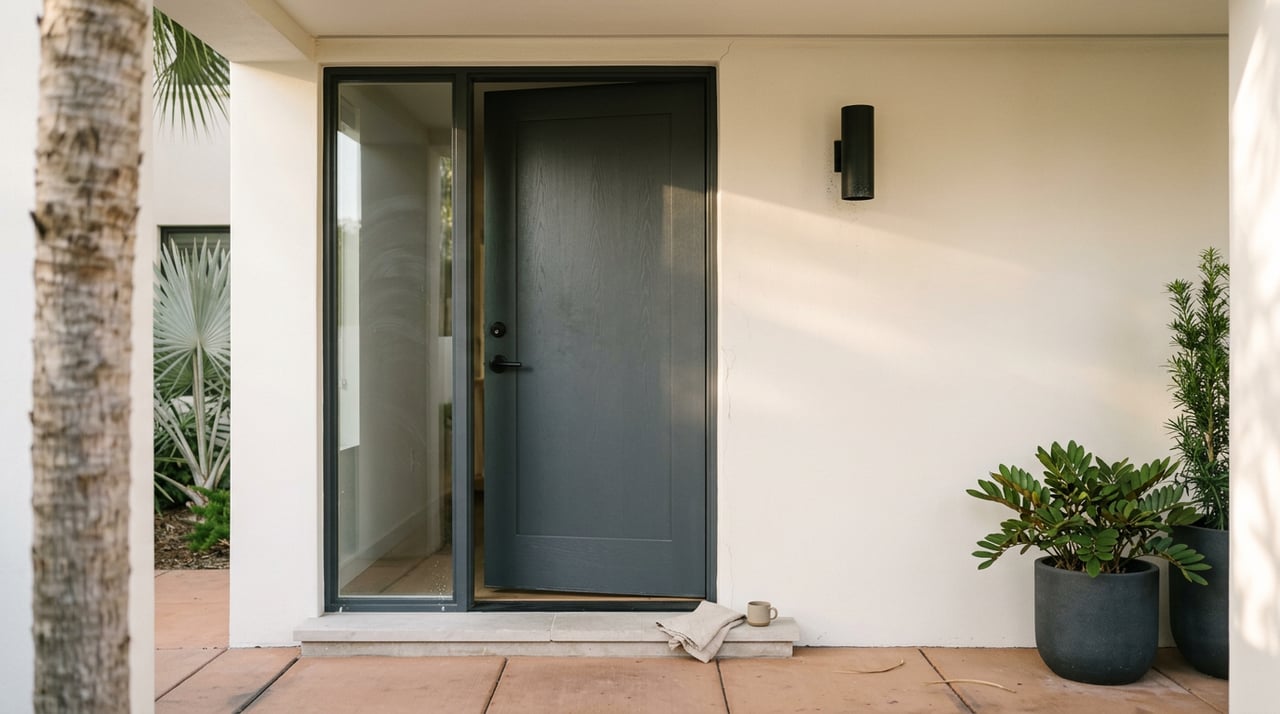
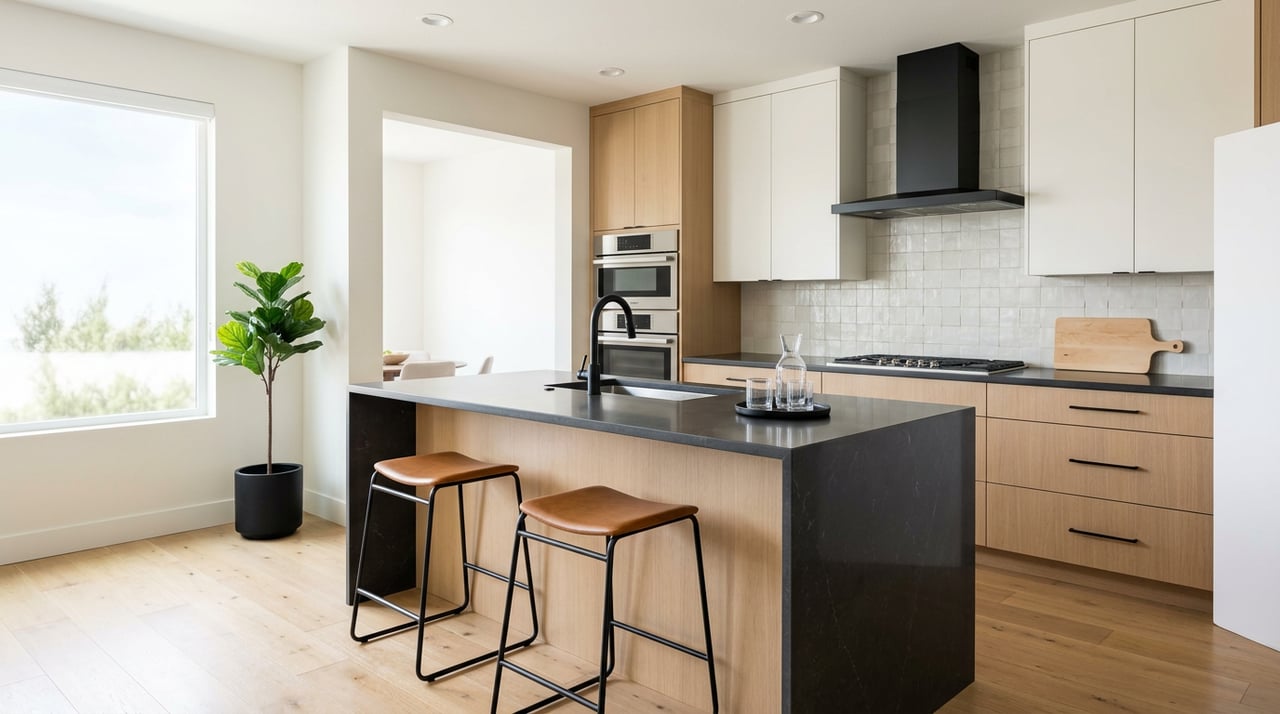
National resale benchmarks from Remodeling’s Cost vs. Value Report show strong recoup for simple exterior upgrades like garage‑door and entry‑door replacements, with positive but more modest recoup for kitchen and bath projects. Notably, minor kitchen refreshes recoup about 113% nationally, while bigger, upscale remodels tend to recoup much less. Use truly comparable Brandon sales to confirm how these upgrades price into your micro‑market. You can review the national ROI data at the Cost vs. Value site for context: Remodeling’s Cost vs. Value data.
Bring proof for major work
Portals and automated estimates rarely capture the full story on condition. Have permits, invoices, and dates ready for big‑ticket items like the roof, HVAC, and water heater. This evidence helps your agent market the home, supports your CMA adjustments, and gives appraisers a clear basis for value.
Location, lot, flood, and schools
Micro‑location and lot factors
Within Brandon, small location shifts can change buyer expectations. A home deep inside a subdivision can price differently from one on a busier road. Lot size, orientation, and privacy also influence how buyers compare your home to others in the same price band. Checking neighborhood and ZIP splits on major portals can help you and your agent fine‑tune your range.
Flood risk and insurance
In Hillsborough County, flood designation and insurance costs are part of a buyer’s math. Use FEMA’s Flood Map Service Center to confirm your property’s status and disclose if your home lies in a Special Flood Hazard Area. Buyers and lenders weigh flood‑insurance premiums when comparing monthly costs. Check your parcel at the FEMA Flood Map Service Center.
Schools and pricing
Academic research finds that higher measured school quality can be associated with price premiums on the order of a few percent, though effects vary by market and by buyer priorities. Be accurate about school assignments in your listing and keep descriptions neutral and factual. For context on the research, see this overview of how school quality can be capitalized into prices: peer‑reviewed housing and schools research.
Pick a pricing strategy
Market‑value pricing
Listing near the top of your CMA range tends to attract qualified buyers and reduce the odds of early price cuts. When your marketing is on point and the comps support your ask, you can shorten negotiation cycles and net close to list.
Mild underpricing
Pricing about 1–3% below expected value can speed activity and sometimes spark multiple offers, especially if inventory is tight and your home shows as move‑in ready. This is a tactical choice, not a default. Use it when your comps and competition suggest you will create urgency at that level.
Listing high and its risks
A premium, list‑high strategy preserves upside but often leads to longer days on market and price reductions. National reports going into 2026 show higher shares of listings with price cuts and longer median days on market in many metros, which is a signal to stay realistic. Locally, Brandon’s average sale‑to‑list near 97–98% suggests modest buyer leverage. Overpricing usually results in lower net after reductions and carrying costs.
Here is a typical overpricing cycle: you list too high, showings are thin, you see a trickle of low offers or none at all, then one or more cuts follow. By the time the home reaches the right band, momentum is gone and buyers may expect concessions. Starting in the correct range avoids this spiral.
AVMs vs. a professional CMA
What automated estimates do well and miss
Automated valuations use public records and recent sales to model value. Zillow’s published accuracy notes a low median error for on‑market homes, often around 1.8–2%, and higher error for off‑market homes, often 7% or more. These tools are useful ballparks, but they cannot see your recent permitted kitchen upgrade, a superior lot, or current buyer sentiment. Do not anchor your list price to a single estimate.
Why a CMA matters in Brandon
A professional CMA pulls from the MLS, includes closed, pending, and active comps, and adjusts for your actual condition and features. It also layers in local knowledge about concessions, appraisal flags, and micro‑neighborhood dynamics. Ask your agent for a sample CMA that names each comp, shows the adjustments, and outlines a recommended launch price with a 30/60/90‑day plan if activity falls below target.
Compare numbers with intention
Look at two or three portal estimates and then weigh them against your CMA. If the CMA and portal numbers diverge, ask your agent to explain the gap line by line. This conversation often surfaces crucial items like unrecorded improvements, time adjustments, or differences in lot and location that models miss.
Brandon seller pricing checklist
Use this quick list before you interview agents or set your price:
- Pull three recent closed comps in your subdivision, ideally from the last 30–90 days, and note the sale dates and prices. Ask your agent to share their MLS comp sheet.
- Gather documents for upgrades, permits, and system ages (roof, HVAC, water heater). These support value and help buyers feel confident. For ROI context on common projects, review Cost vs. Value’s national data.
- Consider a pre‑listing inspection if you expect deferred maintenance. Fixing key items early reduces renegotiation risk and supports a firmer price.
- Check your parcel on the FEMA Flood Map Service Center and, if relevant, get a flood‑insurance quote so buyers and lenders are not surprised.
- Review nearby active listings. Note price‑reduction badges and rising days on market in your micro‑neighborhood over the last 60–90 days. If reductions are common or DOM is drifting up, a conservative launch price is safer.
Smart agent interview questions
- “Show me the CMA you prepared for my home. Which three closed sales did you choose and why, and how did you adjust for condition and features?”
- “What is your recommended list price range, and what is your 30/60/90‑day plan if activity is light in weeks 2–4?”
- “How will you market this home to Brandon buyers specifically?” Look for specific digital channels, local agent outreach, and buyer‑profile targeting.
- “Do you recommend pre‑list repairs, staging, or a pre‑listing inspection, and what ROI or time‑on‑market impact do you expect?” Expect references to local comps and Cost vs. Value benchmarks.
Plan your first 90 days
Agree with your agent on an activity plan before you list. In the first two weeks, track showings, repeat showings, and buyer feedback against what similar Brandon listings receive. If engagement is below what your comps suggest, tighten your marketing and presentation right away. If weeks three and four still lag, be ready to adjust price into the clearly supported comp band, not by random increments. Review again at 60 and 90 days if you have not gone under contract, always using fresh closed and pending comps.
Ready to price with confidence?
A clear CMA, a realistic launch strategy, and clean documentation put you in control. If you want a data‑driven pricing plan and polished marketing built for Brandon buyers, connect with Michelle Mazzotta for a personalized consultation.
FAQs
What is the typical price and pace in Brandon now?
- As of January 2026, Brandon’s median sale price is about $356,000, average days on market are near 58, and sale‑to‑list averages around 97–98%; portals differ by method and time window, so use dated figures.
How should I choose comps for a Brandon CMA?
- Focus on 3–5 closed sales from the same subdivision or within 0.25–0.5 mile, ideally within the last 30–90 days, and include pending and active listings to see current demand and competition.
Which pre‑sale upgrades usually pay back best?
- National data show strong recoup on garage‑door and entry‑door replacements and about 113% recoup for minor kitchen refreshes, with much lower recoup for bigger upscale remodels; confirm with local comps and see Cost vs. Value.
How does flood zone status affect my list price?
- Flood designation influences buyer costs and financing, so verify your parcel and disclosure needs on the FEMA Flood Map Service Center and consider sharing an insurance estimate with your listing.
Should I price a little under market to create urgency?
- Mild underpricing of 1–3% can work for move‑in‑ready homes in tight segments, but Brandon’s average sale‑to‑list near 97–98% suggests measured buyer leverage; decide with your agent based on current comps and inventory.
Do schools impact home values, and how should I discuss them?
- Research shows that higher measured school quality can be associated with modest price premiums, but effects vary by area and buyer; keep school info factual and neutral and confirm assignments with official sources.