If your Clearwater home is about to hit the market, one thing matters right away: buyers are not just judging the address. They are noticing how clean, bright, storm-ready, and easy to maintain the property feels. In a balanced market, small details can shape how quickly your home sells and how strong your offers look. This guide walks you through the prep steps that matter most for Clearwater so you can focus on the updates that help buyers say yes. Let’s dive in.
Why prep matters in Clearwater
Clearwater is not acting like a frenzied seller’s market where almost any home will move fast. Recent market snapshots show sale-to-list ratios around 96% in Clearwater and 97% in broader Pinellas County, with median days on market around 69 to 72 days. That means presentation, condition, and pricing all matter.
For you as a seller, that creates both a challenge and an opportunity. Buyers have time to compare homes, so they notice clutter, deferred maintenance, and awkward spaces. The upside is that thoughtful prep can help your home stand out without requiring a major renovation.
Focus on a clean, light interior
Declutter before you do anything else
One of the most effective pre-listing steps is also one of the simplest. Staging guidance from the National Association of REALTORS® centers on decluttering and styling, and buyer agents report that staging helps people picture the home as their future home.
Start by removing extra items from countertops, shelves, and floors. Pack away personal photos, oversized décor, and anything that makes rooms feel busy. If a room feels smaller than it should, bulky furniture is often part of the problem.
Prioritize key rooms first
If you are deciding where to spend your time and energy, focus on the rooms buyers care about most. Staging research points to the living room, primary bedroom, and kitchen as the most important rooms to prepare.
That does not mean every space needs a full refresh. It means these rooms should feel open, functional, and easy to understand. When buyers walk in, they should be able to see the space, not your stuff.
Let in as much natural light as possible
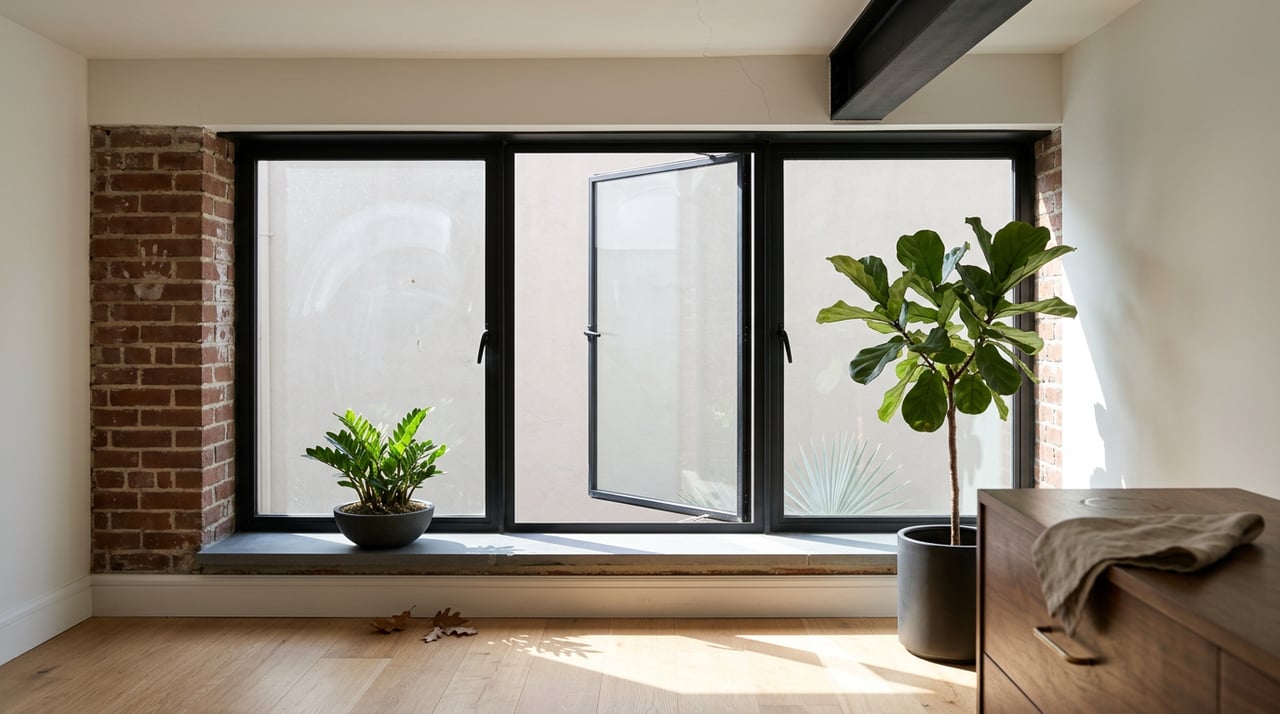
Clearwater buyers often respond well to homes that feel bright and airy. Opening window treatments and maximizing daylight can make rooms feel larger and more inviting.
Before photos or showings, open blinds and curtains wide. Clean the windows, replace burned-out bulbs, and make sure each room has even lighting. A brighter home usually feels cleaner and better maintained.
Use neutral, simple finishes
If parts of your interior feel dated or highly personalized, light cosmetic updates can help. Neutral paint, simple styling, and a more open furniture layout can make the home feel move-in ready without the cost of a full remodel.
This approach fits Clearwater well. In a balanced market, minor cosmetic improvements often make more sense than major renovation projects that may not return their full cost before you list.
Address moisture before buyers notice it
Fix leaks and damp areas early
In a coastal Florida market, moisture control is not optional. The EPA notes that mold control starts with moisture control and recommends drying wet materials within 24 to 48 hours whenever possible.
That means you should pay close attention to any leaks under sinks, around windows, near laundry areas, or around HVAC components. Even a small recurring moisture issue can create odors, stains, or buyer concerns during showings.
Keep humidity and odors under control
The EPA also recommends keeping indoor humidity below 60%, ideally between 30% and 50%. For sellers in Clearwater, that makes bathrooms, utility spaces, and air circulation especially important.
If your home smells musty, deal with the source instead of covering it up. Clean, dry, fresh-smelling interiors send a much stronger message than candles or air fresheners. Buyers tend to connect odor issues with larger maintenance concerns.
Make the exterior feel coastal and cared for
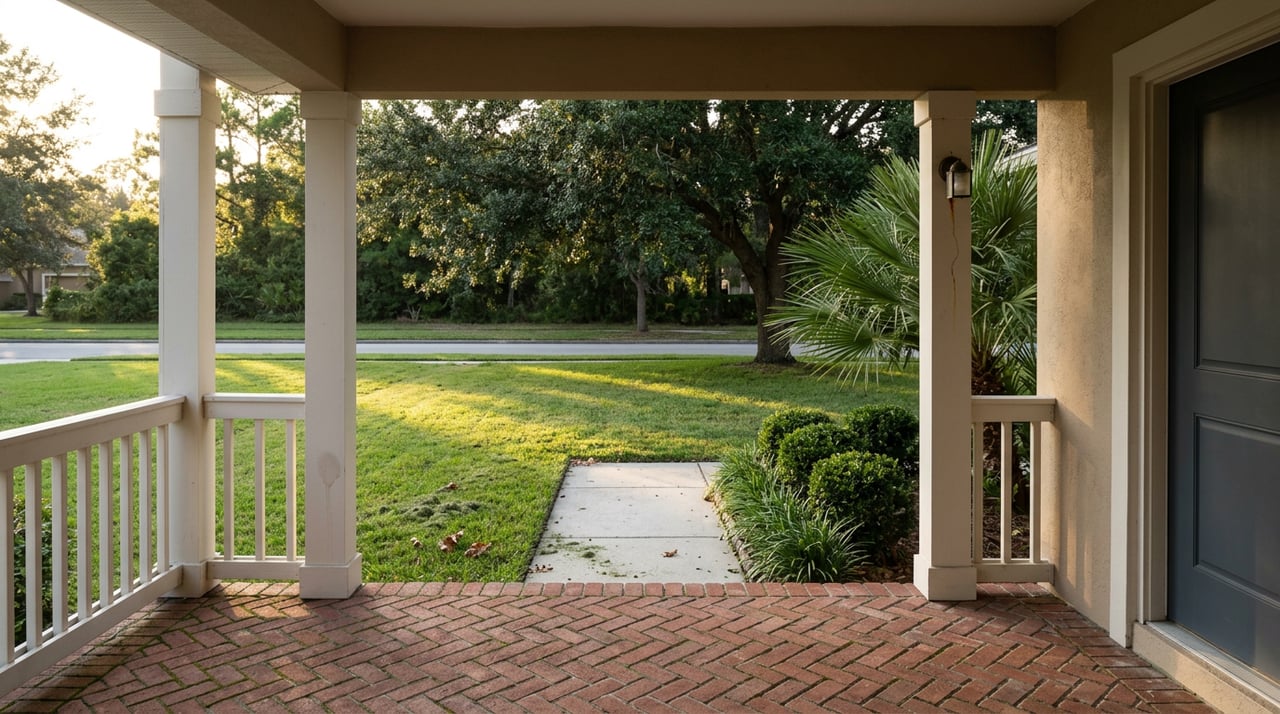
Boost curb appeal first
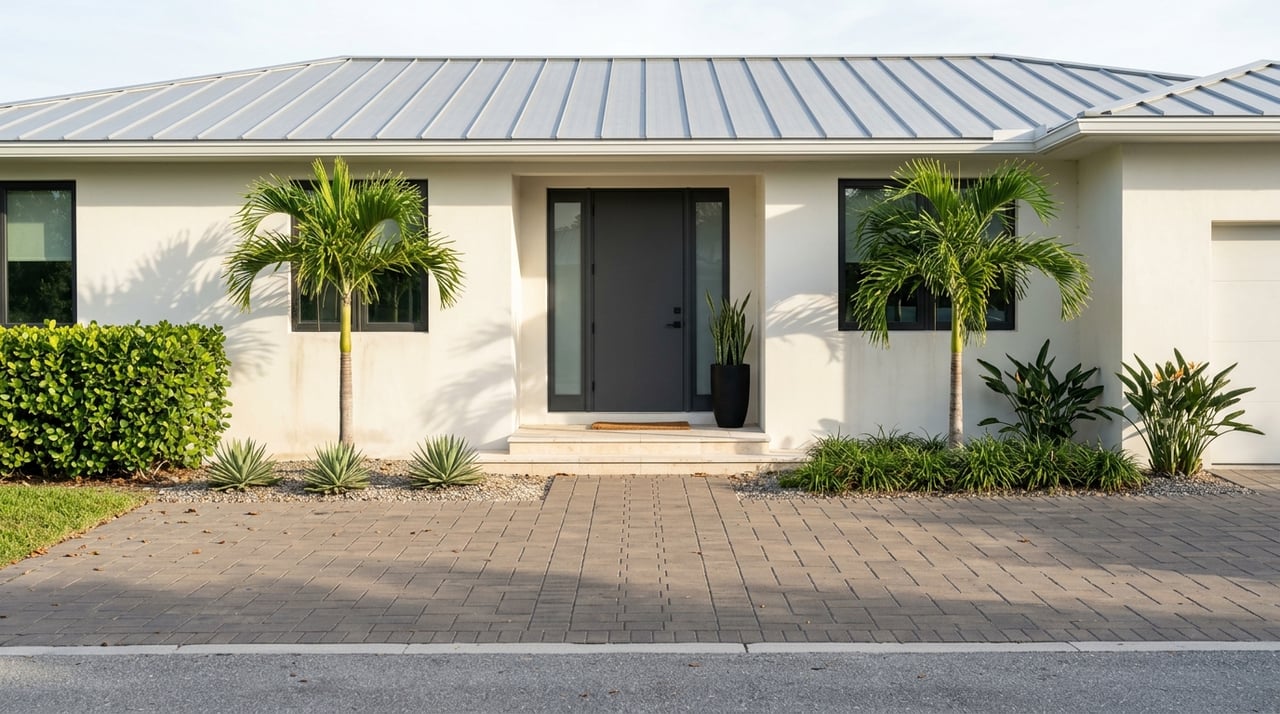
Curb appeal has a major impact on buyer interest. According to NAR’s outdoor-features report, most REALTORS® recommend curb appeal improvements before listing, and nearly all say it matters to buyers.
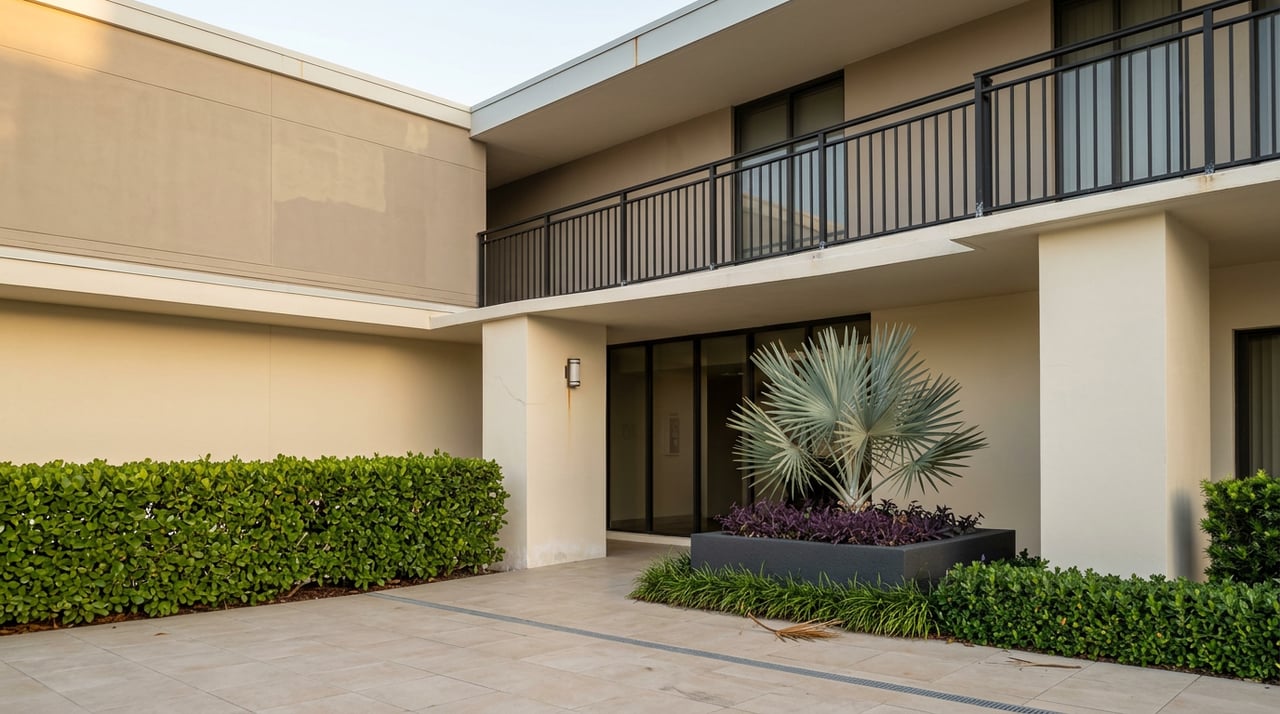
In Clearwater, that often means pressure washing exterior surfaces, cleaning mildew, removing rust marks, trimming edges, and clearing debris. Local code also requires exterior surfaces to be free of mildew, rust, and loose materials, while landscaped areas should be kept neat and orderly.
Treat outdoor areas like living space
In a coastal market, buyers care about how the home lives both inside and outside. Patios, lanais, pool areas, and seating spaces should feel usable, clean, and intentional.
Think of your outdoor space as an extension of the house. Tidy furniture, sweep surfaces, organize beach gear or pool accessories, and make the area easy to imagine using for quiet mornings or casual entertaining.
Choose low-maintenance outdoor details
Florida’s coastal environment is tough on exterior materials. Salt spray, bright sun, shifting sand, and storms all affect how finishes age over time.
That is why rust-resistant and lower-maintenance finishes make sense for railings, hardware, light fixtures, and outdoor furniture. Buyers in Clearwater often appreciate features that look durable and practical in a coastal setting.
Handle storm readiness before listing
Prep with hurricane season in mind
Hurricane season runs from June 1 through November 30, according to NOAA. In Clearwater, storm awareness is part of how many buyers evaluate a property, especially near the water.
Before listing, remove large yard debris, prune trees and limbs, and clean up loose outdoor items. These are practical steps recommended in Pinellas County’s severe-weather guidance, and they also help the property look more polished.
Know your flood-related details
Pinellas County says everyone in the county is in a flood zone, and it also notes that flood zones, evacuation zones, and storm surge maps are different. Buyers may ask about all three, especially if they are comparing multiple coastal homes.
If you have flood-related documentation, gather it early. A flood elevation certificate can help show a building’s flood zone and elevation level and may be used for insurance and compliance purposes.
Be ready to discuss flood insurance clearly
Flood insurance is a separate issue from standard homeowners insurance. FEMA states that most homeowners insurance policies do not cover flood damage, so this is often an important topic for buyers.
You do not need to over-explain or speculate. You simply want to be organized, factual, and ready to share any documents you already have that help a buyer understand the property more clearly.
Check permits before making updates
Know what needs approval
If you are making last-minute improvements, make sure you know which projects require permits in Clearwater. The city says cosmetic work such as painting, wallpapering, tile or carpet, and cabinet or fixture replacement generally does not require a permit.
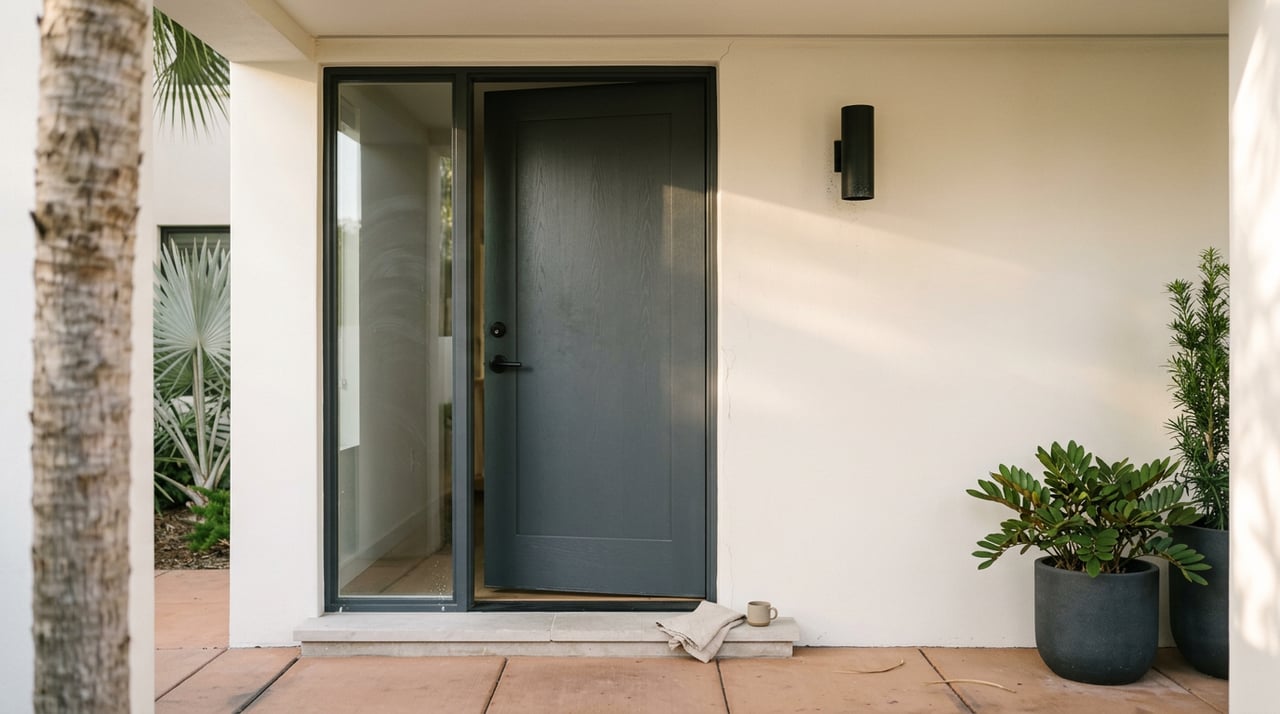
However, permits are required for items such as windows, doors, hurricane shutters, roofs, decks, fences, siding, soffits, fascia, pools, and other structural or exterior changes. That distinction matters if you are trying to improve the home quickly before going live.
Start early if work is needed
Review times vary based on the project. If you are considering exterior updates or repairs that need approval, waiting until the last minute can create delays.
For most Clearwater sellers, the smartest strategy is to focus first on high-visibility improvements that are easier to complete. Cleanliness, paint touch-ups, landscaping, staging, and exterior maintenance usually have a stronger payoff than a rushed major remodel.
A practical Clearwater prep checklist
If you want a simple way to organize your pre-listing plan, start here:
- Declutter living areas, bedrooms, and kitchen surfaces
- Remove personal items and oversized furniture
- Open window treatments and improve lighting
- Touch up paint with neutral colors where needed
- Fix leaks and address musty odors
- Check bathrooms, laundry areas, and HVAC-related moisture
- Pressure wash exterior surfaces and clean mildew or rust
- Trim landscaping and remove yard debris
- Stage patio, lanai, pool, or other outdoor living areas
- Gather flood elevation certificates or related documents if available
- Confirm whether any planned repairs or updates need permits
- Schedule prep work early, especially ahead of hurricane season
Special note for beach-area properties
If your property is on Clearwater Beach or Sand Key, exterior lighting deserves extra attention. Clearwater’s code compliance handbook says lighting such as wall-mounted fixtures, landscape lighting, and balcony lighting should be designed or positioned so it does not directly illuminate beach areas during sea turtle nesting season, which runs from May 1 through October 31.
This is a small detail, but it is a very local one. It shows why coastal home prep in Clearwater is not just about aesthetics. It is also about understanding how the property fits its environment.
The goal is confidence, not perfection
You do not need to turn your home into a luxury model unit to attract serious buyers in Clearwater. In most cases, the winning formula is simpler: a home that feels clean, bright, maintained, and ready for coastal living.
That is where a thoughtful listing plan can make a real difference. When you pair smart prep with strong pricing and polished marketing, your home has a better chance of standing out for the right reasons. If you are getting ready to sell in Clearwater, Mazzotta Realty Group LLC, Brokered by eXp Realty can help you build a practical prep strategy that fits your timeline and your property.
FAQs
What should sellers in Clearwater fix before listing a home?
- Focus first on decluttering, light cosmetic touch-ups, moisture issues, curb appeal, and outdoor cleanup. In Clearwater, buyers also pay attention to flood-related readiness and overall storm-aware maintenance.
What rooms matter most when preparing a Clearwater home for buyers?
- The living room, primary bedroom, and kitchen are the top priorities based on staging research. These rooms should feel open, clean, bright, and easy for buyers to picture themselves using.
Do Clearwater sellers need permits for pre-listing updates?
- Some work does and some does not. Cosmetic updates like painting and flooring usually do not require permits, but windows, doors, roofs, fences, decks, shutters, siding, and other structural or exterior changes typically do.
Why do moisture and mildew matter so much when selling in Clearwater?
- Clearwater’s humid coastal environment can make moisture issues more noticeable. Buyers may react quickly to musty odors, stains, mildew, or signs of leaks, so it is smart to address those problems before photos and showings.
What flood information should Clearwater sellers gather before listing?
- If available, collect flood elevation certificates and any documents that help explain the property’s flood zone or elevation. It is also helpful to understand that flood zones, evacuation zones, and storm surge maps are different.
How should Clearwater Beach or Sand Key sellers handle exterior lighting?
- For properties in those beach areas, lighting should be designed or positioned so it does not directly illuminate beach areas during sea turtle nesting season, which runs from May 1 through October 31.