Trying to choose between a condo and a house in St. Petersburg? Both offer great lifestyles, but the markets behave very differently. You want to make a confident decision that fits your budget, long-term plans, and risk comfort. In this guide, you’ll learn how pricing, inventory, insurance, HOAs, and neighborhoods differ so you can move forward with clarity. Let’s dive in.
Market at a glance
Where condos and houses cluster
St. Petersburg’s housing market splits into two main segments. Condos concentrate in the downtown waterfront core, along Beach Drive and near the Pier, as well as on the barrier islands and select infill sites. Single-family homes spread across historic neighborhoods like Old Northeast, Snell Isle, Kenwood, and Shore Acres, plus suburban and waterfront subdivisions.
Who tends to buy what
Condos often attract downsizers, second-home owners, and some investors who value lower maintenance and amenities. Single-family homes draw primary owner-occupants who want yard space, garages, and more flexibility for renovations or additions. Your lifestyle, maintenance preferences, and financing options will help point you toward one segment.
Pricing and inventory differences
Entry costs and price ceilings
Condos usually offer a lower entry price compared to single-family homes in the same area, which can make them appealing if you want a central or waterfront location with a smaller initial budget. That said, luxury condo towers with direct water views can rival or exceed many house prices when you factor in finishes and amenities. Single-family waterfront estates and preserved historic homes often command the highest overall prices.
Inventory and turnover
Condo buildings in urban cores typically show more active listings and a broader mix of owners, including investors. That can give you more choices, but price recoveries can be slower after market cool-downs, especially in older buildings. Single-family inventory in popular neighborhoods tends to be tighter due to limited lots and high owner-occupancy, which often leads to quicker sales when the market is balanced or tight.
Appreciation and volatility
Single-family homes have historically appreciated at a steadier pace, supported by land scarcity and demand from owner-occupants. Condos can move up quickly in hot cycles, particularly in sought-after waterfront towers, but they may lag during corrections. In both segments, condition and maintenance matter. For condos, strong HOA finances and recent capital work help values. For houses, lot attributes and permitted improvements, like docks or seawalls, can be major value drivers.
Insurance, flood, and building age
Flood zones and coverage basics
Many waterfront and low-lying areas in St. Petersburg are exposed to coastal flooding and storm surge. If a property is in a mapped flood zone, lenders typically require flood insurance. For condos, the master policy may cover the building and common elements, while you carry an HO-6 policy and, in some cases, a separate flood policy for interior finishes and contents. For houses, you usually carry both building and contents flood coverage. You can review zones using the FEMA Flood Map Service Center.
Building age and structural considerations
Older mid- and high-rise condo buildings often need periodic concrete, roof, and waterproofing work. Following the Surfside tragedy, Florida increased scrutiny around inspections, reserve funding, and transparency for certain buildings, which can change timelines and budgets for associations. For context on local reporting, see the Tampa Bay Times coverage of post‑Surfside changes. For single-family homes, pay close attention to the age of roofs, hurricane mitigation features, seawalls, and elevation.
Insurance market dynamics
Florida wind and hurricane exposure can influence premiums significantly. Buyers and lenders may prioritize updated roofs, shutters, and other mitigation that can reduce costs. Condo owners should confirm master policy limits, wind or hurricane deductibles, and what is and is not covered in the unit. Houses require a careful look at carrier options and inspection items that affect underwriting.
HOA and financing differences
What HOA fees cover
Condo association dues often include building insurance, exterior maintenance, reserves, and amenities like pools, gyms, and staffed lobbies. Utilities may be included in some buildings. Single-family HOAs, when present, usually focus on common areas, gates, or community amenities, and fees are often lower than in condo towers. Healthy reserves reduce the risk of large one-time assessments, so request and review the budget and reserve study carefully.
Special assessments and litigation
Special assessments can arise for major capital work or when reserves are underfunded. Associations in active litigation can complicate mortgage approvals and may signal governance or maintenance issues. Always request recent meeting minutes, disclosures, and insurance certificates to understand current projects and risks.
Financing, appraisals, and approvals
Some condo buildings must meet project eligibility standards for conventional, FHA, or VA financing. If a project lacks approval, your loan options may narrow. You can learn more about the process through FHA condominium project approval program guidance. Appraisers also consider HOA finances, investor concentration, and available comparable sales, which can impact value conclusions for condos more than for houses.
Lifestyle trade-offs
Maintenance and amenities
If you prefer a lock-and-leave lifestyle, condos reduce personal maintenance and may offer amenities like pools, gyms, and concierge-style entries. If you want maximum control over your property and outdoor space, houses let you renovate more freely and enjoy private yards, driveways, and garages, though you take on more upkeep.
Space, privacy, and storage
Condos can trade total square footage and storage for location and amenities. Houses often deliver more bedrooms, work-from-home space, and storage. If you entertain often or need flexible space, a house might fit better. If you value walkability and convenience, a well-located condo can be a smart choice.
Rentals and short-term rules
Many condos and some neighborhoods set rental caps, minimum lease terms, or restrictions on short-term rentals. Zoning and local ordinances also apply. Review association documents and check the City of St. Petersburg’s planning and zoning resources for current rules before you buy with rental plans in mind.
Neighborhood snapshots
Downtown and waterfront core
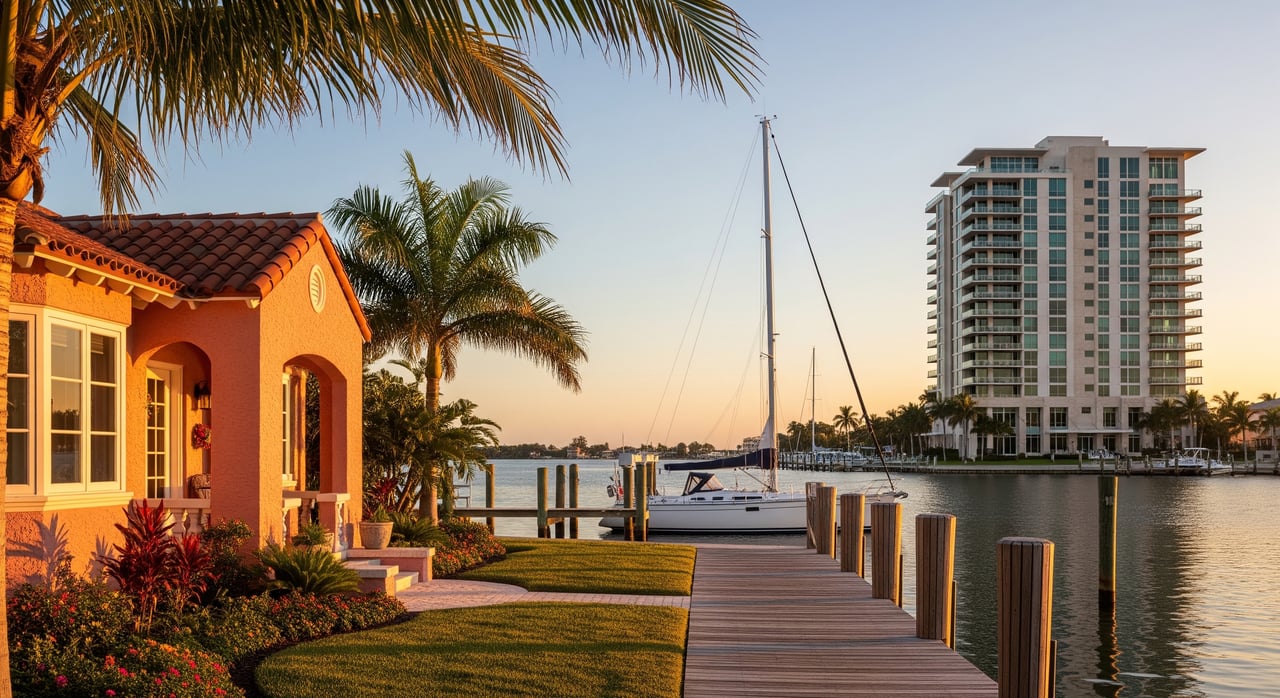
Mid- and high-rise condos line Beach Drive and the Pier District, pairing luxury finishes with amenity-rich living. This area appeals to buyers who want dining, arts, and waterfront parks nearby with limited personal maintenance.
Old Northeast and historic districts
Tree-lined streets and preserved architecture define single-family living here, with a smaller number of boutique condos. Renovation quality, lot characteristics, and proximity to amenities influence values.
Snell Isle and Shore Acres
Waterfront single-family homes and select upscale communities are common. Seawall condition, elevation, and boating access play large roles in value and insurance considerations.
Kenwood and nearby infill areas
Bungalows and urban single-family homes attract buyers looking for character and project potential. Nearby corridors may include newer townhomes and select condos.
Gulfport, Pasadena, and the barrier islands
Gulfport blends small single-family homes with low-rise condos and an arts-forward main street. Pasadena offers suburban single-family alternatives. The barrier islands, Tierra Verde, and Madeira Beach feature a strong condo presence, vacation influences, and coastal policy considerations.
Who should lean condo vs. house
You may lean condo if
- You want a lower entry price near downtown or the water.
- You prefer amenities and less personal maintenance.
- You plan part-time or seasonal use and value lock-and-leave convenience.
- You are comfortable reviewing HOA budgets, reserves, and rules.
You may lean house if
- You want more space, storage, and outdoor areas.
- You prefer greater control over renovations and future additions.
- You plan long-term occupancy and value steadier appreciation patterns.
- You are prepared for ongoing maintenance and insurance responsibilities.
Due diligence checklists
For condo buyers
- Review the declaration, bylaws, budget, reserve study, insurance certificates, meeting minutes, and any pending special assessments or litigation.
- Confirm rental policies and whether the building holds current approvals for your intended financing type.
- Ask about recent or upcoming capital projects and engineering inspections.
- Verify flood zone, elevation, and estimated HO-6 and flood premiums using the FEMA Flood Map Service Center.
- Confirm parking rights, storage, pet rules, and amenity access.
For single-family buyers
- Check flood risk, elevation, and if applicable, seawall or dock condition. Consider mitigation features that affect insurance.
- Review permit history, roof age, HVAC, electrical, plumbing, and any foundation or piling details for waterfront homes.
- Confirm whether a neighborhood HOA exists and review any use or leasing rules.
- Use the Pinellas County Property Appraiser to review parcel data and tax history.
For sellers
- Condo sellers: Assemble HOA documents, insurance and reserve details, and disclosures about known issues or assessments. Consider a pre-listing check on roof, balconies, or concrete if major work is anticipated.
- Single-family sellers: Gather permits, contractor invoices, recent inspection reports, and documents for flood mitigation or seawall improvements.
Next steps
Choosing between a condo and a house in St. Petersburg comes down to how you balance location, maintenance, risk, and long-term plans. If you want a clear, side-by-side path to a smart purchase or sale, our team can help you weigh HOA health, flood exposure, financing options, and neighborhood fits. Ready to take the next step or get a pricing read on your property? Get your instant home valuation, or connect with Michelle Mazzotta for concierge-level guidance tailored to your goals.
FAQs
What costs differ most between St. Petersburg condos and houses?
- Condos add association dues that often include building insurance and amenities, while houses shift more costs to your individual policies, maintenance, and reserves.
How do special assessments work in local condos?
- Associations can levy assessments for capital projects or when reserves fall short, so you should review budgets, reserve studies, and meeting minutes before you buy.
What should I know about flood insurance in coastal Pinellas?
- If a home or condo lies in a mapped flood zone, lenders often require flood insurance, and you can check zones and elevation at the FEMA Flood Map Service Center.
Can I use FHA or VA financing for St. Petersburg condos?
- It depends on the building’s eligibility; some projects meet guidelines while others do not, so verify status and see FHA condominium guidance.
Are short-term rentals allowed in my St. Petersburg condo or neighborhood?
- Many associations restrict leasing terms and local rules apply, so confirm the condo’s documents and check the City of St. Petersburg’s planning and zoning resources.
Which neighborhoods lean condo or house in St. Petersburg?
- Downtown and the barrier islands lean condo living, while areas like Old Northeast, Snell Isle, Kenwood, and Shore Acres are primarily single-family with select condo options.